Category Archives: Chemistry
Halloween and poisoned treat rumors: What are the facts?
![]() |
| 1920s Halloween postcard. Via Wikimedia Commons. Public domain in USA. |
This was the 1960s and even then, people told stories, warned their children, about the psychopaths out there who might drop poisoned candy into one’s hands. In the long history of the holiday, truthfully, this has almost never happened. But the very nature of Halloween – the witch at the door, the monster in the closet – lends itself to such ideas. Wasn’t there a crazy woman on Long Island in 1964, after all, who handed out arsenic to trick-or-treaters she thought too old for the candy hunt?
It hardly mattered that as Snopes points out, she didn’t kill anyone. And her deliberate poisoning attempt seems to be an odd exception to the general goodwill of the holiday. The psychopath at the door is an urban myth.
100 Years
By Adrienne M. Roehrich, Chemistry Editor
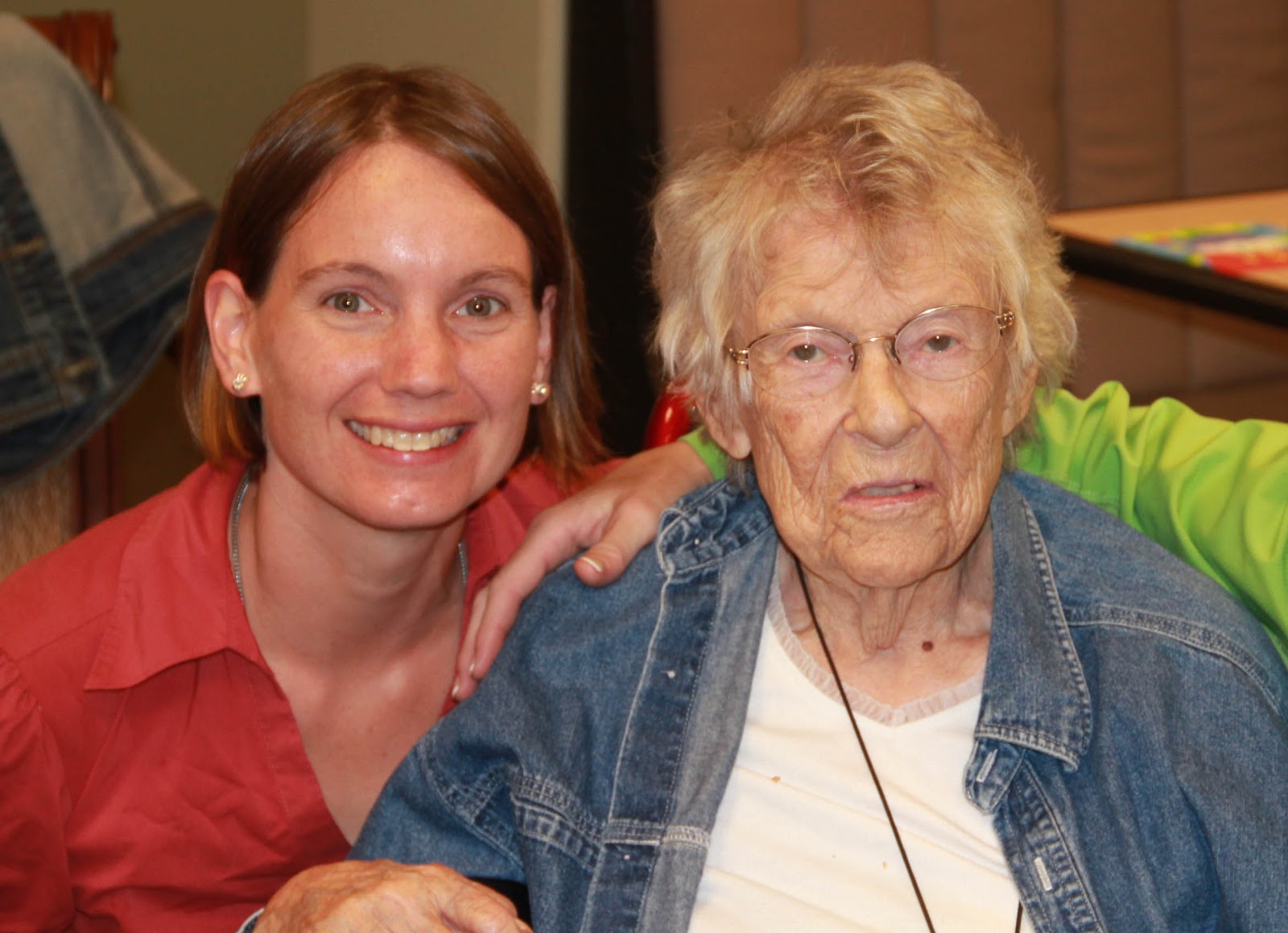
![]() |
| Photo of the author with her 100 year old grandmother 10-1-2012 |
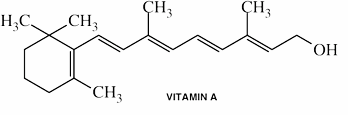
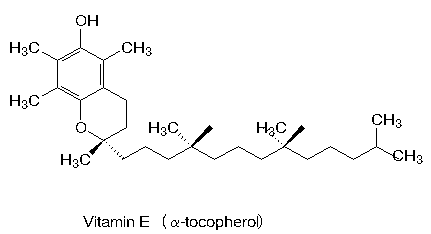
![]() |
| Molecules that may or may not help longevity |
![]() |
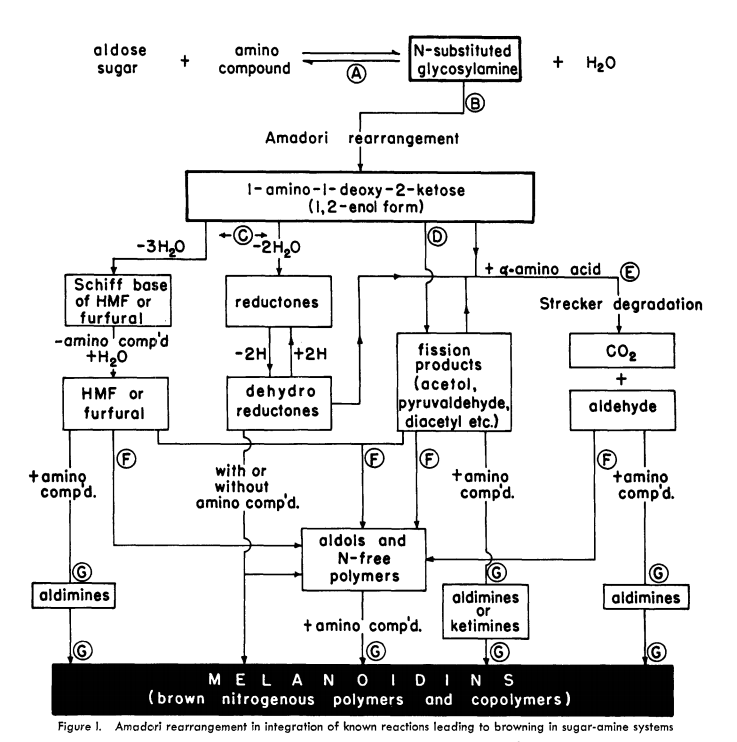
| Hodge’s Flowchart of the Maillard Reaction |
![]() |
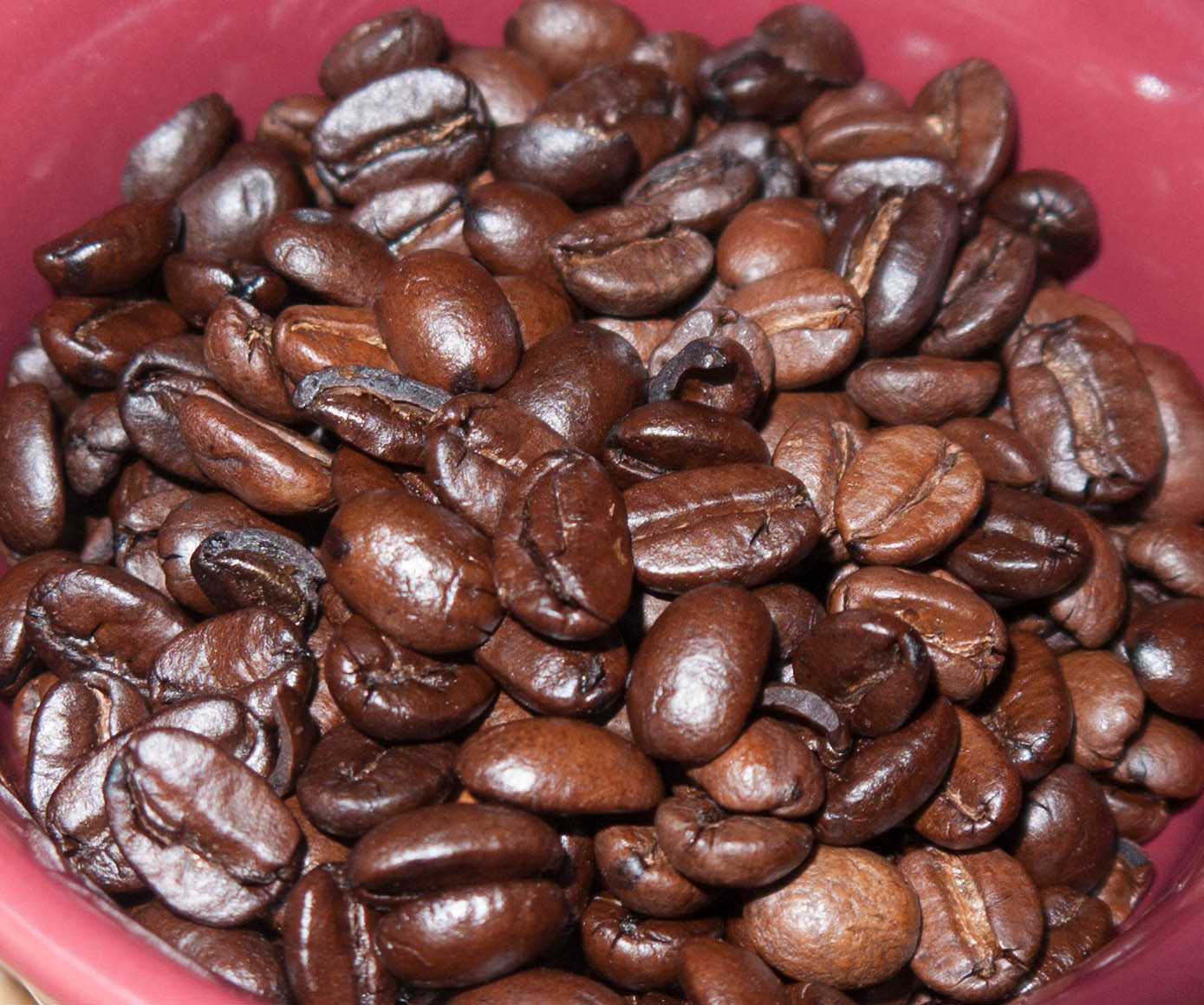
| Roasted Coffee Beans, photo by Adrienne Roehrich |
![]() |
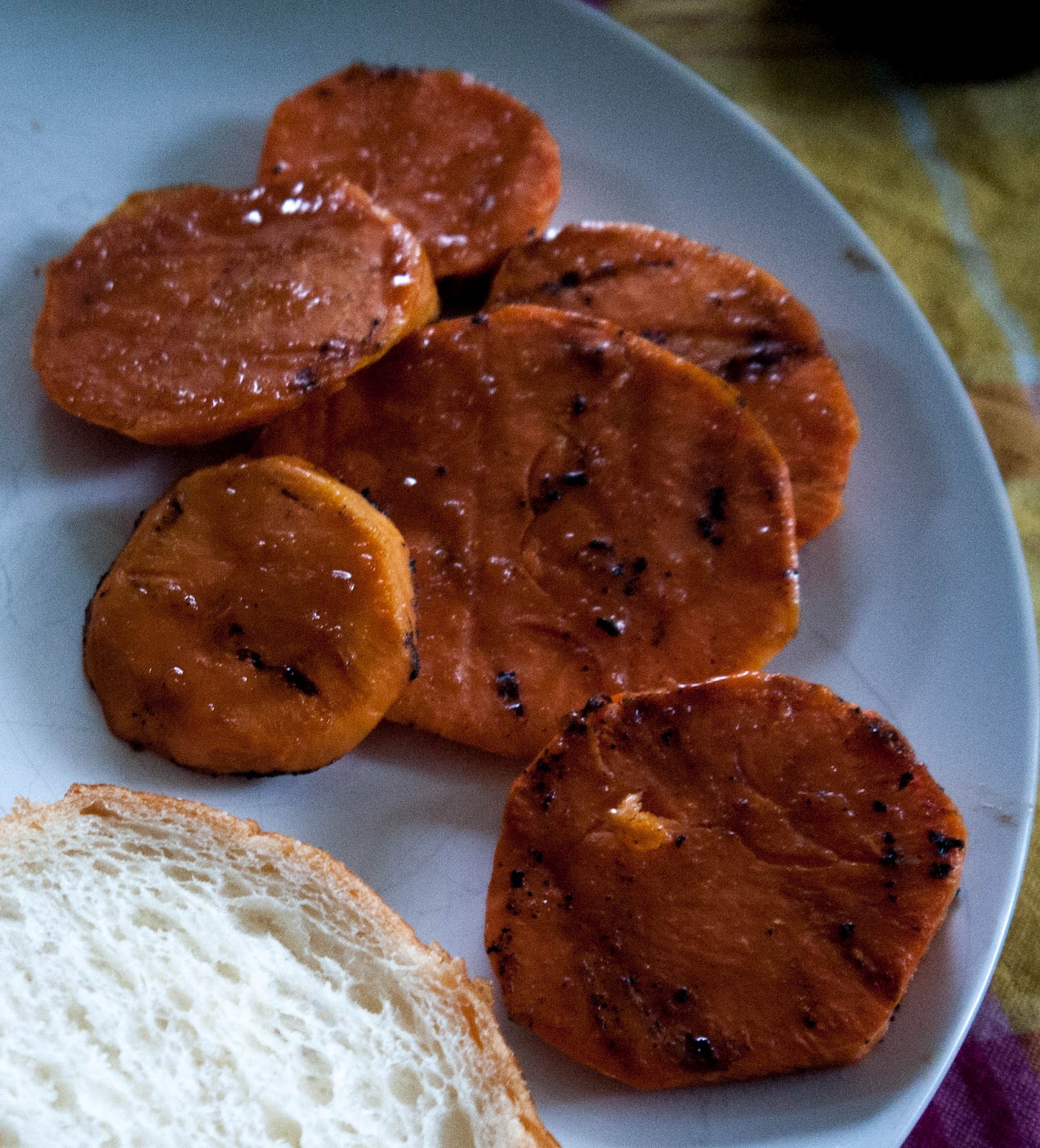
| Grilled Yams, photo by Adrienne Roehrich |
How helpful are dense-breast right-to-know laws?
![]() |
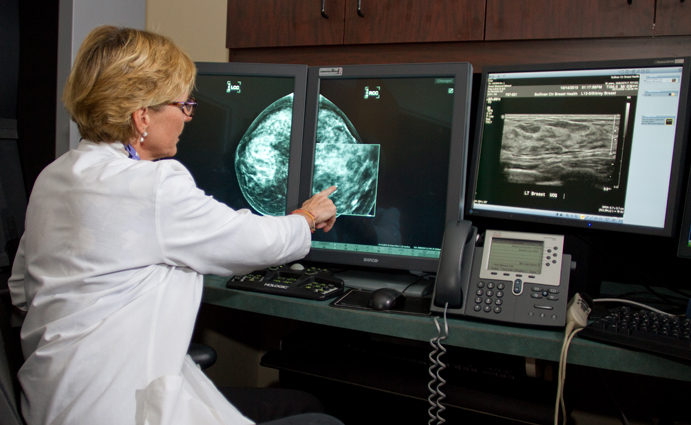
| A doctor reviews a digital mammogram, pointing to a possible cancer. Credit: National Cancer Institute. |
§ dense breasts are a risk factor for breast cancer;
§ mammography sees cancer less well in dense breasts than in normal breasts; and
§ women may benefit from additional breast cancer screening.
The California law goes into effect on April 1, 2013. It follows four states (Connecticut, Texas, Virginia, and New York) with similar statutes. All have enjoyed solid bipartisan support. Rarely do naysayers or skeptics speak up.
[Today’s post is from Patient POV, the blog of Laura Newman, a science writer who has worked in health care for most of her adult life, first as a health policy analyst, and as a medical journalist for the last two decades. She was a proud member of the women’s health movement. She has a longstanding interest in what matters to patients and thinks that patients should play a major role in planning and operational discussions about healthcare. Laura’s news stories have appeared in Scientific American blogs, WebMD Medical News, Medscape, Drug Topics, Applied Neurology, Neurology Today, the Journal of the National Cancer Institute, The Lancet, and BMJ, and numerous other outlets. You can find her on Twitter @lauranewmanny.]Towards better drug development, fewer side effects?
![]() |
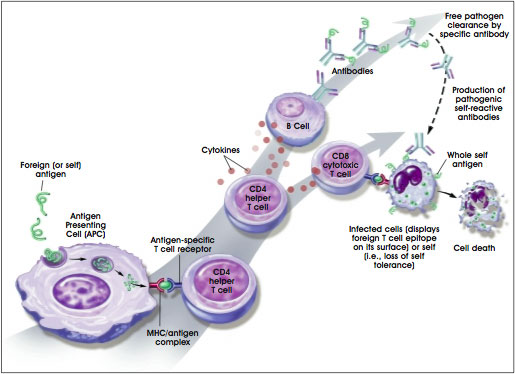
| Cells of the immune system Source: http://stemcells.nih.gov/info/scireport/chapter6.asp |
![]() |
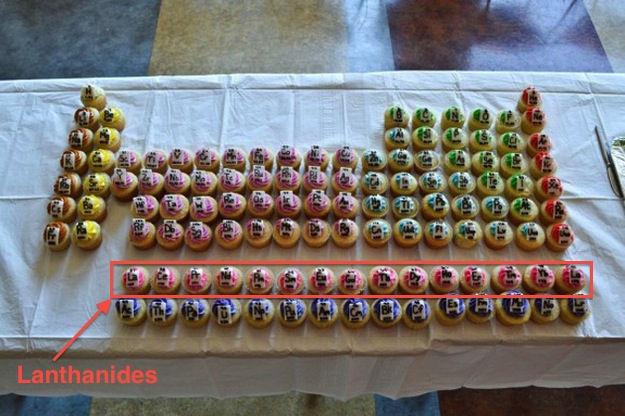
| Periodic Table of Cupcakes, with lanthanides in hot pink frosting. Source: http://www.buzzfeed.com/jpmoore/the-periodic-table-of-cupcakes |
![]() |
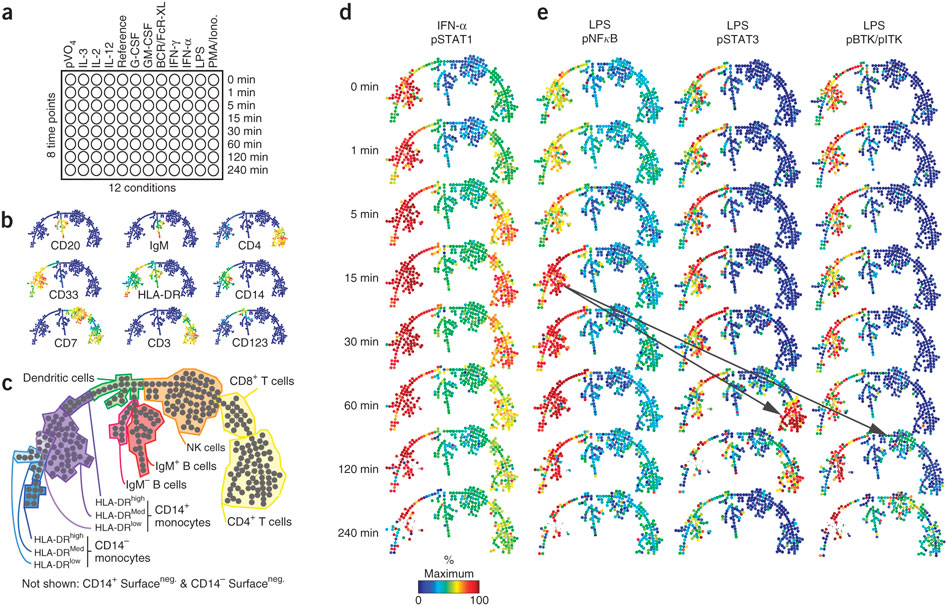
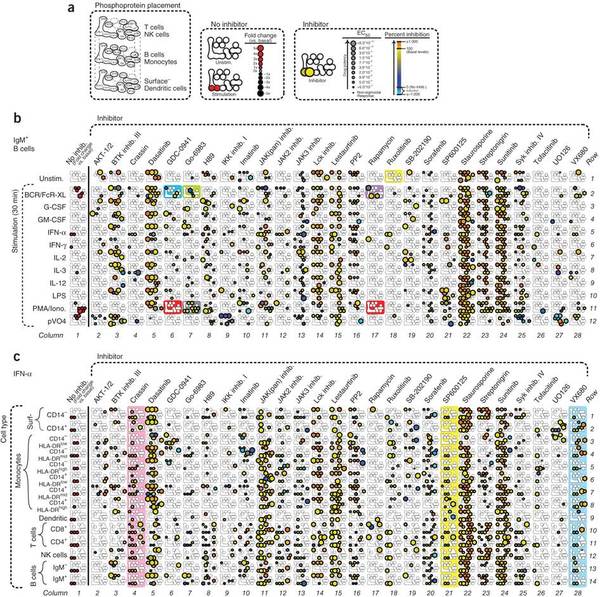
| This graphic summarizes a boatload of data on cell signaling pathways impacted by different drugs. Credit: (c) 2012 Nature America [Nat Biotechnol, 30:858-67, 2012] |
Leaky gut and wonky immune response might be double whammy leading to inflammatory bowel disease (in mice)
![]() |
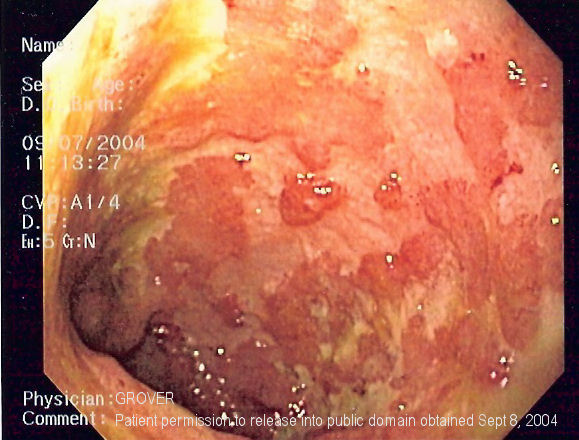
| A case of ulcerative colitis, a form of inflammatory bowel disease. Photo via Wikimedia Commons. Credit: Samir. |
Drill, baby, drill — microbial-style
![]() |
| Could the oil energy needed to light up this drill come directly from soil bacteria instead of the soil? Image credit: Obakeneko; via Wikimedia Commons |
By Jeffrey Perkel, DXS tech editor
It’s no secret that America’s petroleum addiction is a problem in need of a solution. “Drill, baby, drill” notwithstanding, this country eventually will have to find a way to survive without low-cost oil – or at least, find another way to make it.
![]() |
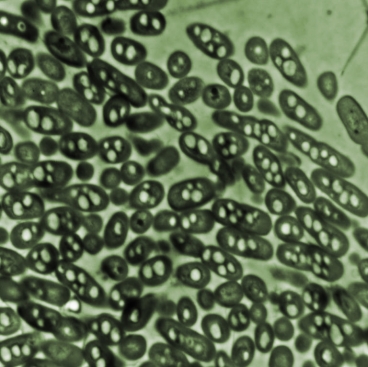
| Ralstonia eutropha bacteria in culture |
… in the microbe’s natural state, when its source of essential nutrients such as nitrate or phosphate is restricted, “it will go into carbon-storage mode,” [Brigham says,] essentially storing away food for later use when it senses that resources are limited.
“What it does is take whatever carbon is available, and stores it in the form of a polymer, which is similar in its properties to a lot of petroleum-based plastics,” Brigham says. By knocking out a few genes, inserting a gene from another organism and tinkering with the expression of other genes, Brigham and his colleagues were able to redirect the microbe to make fuel instead of plastic.
How important for children is imaginary play?
![]() |
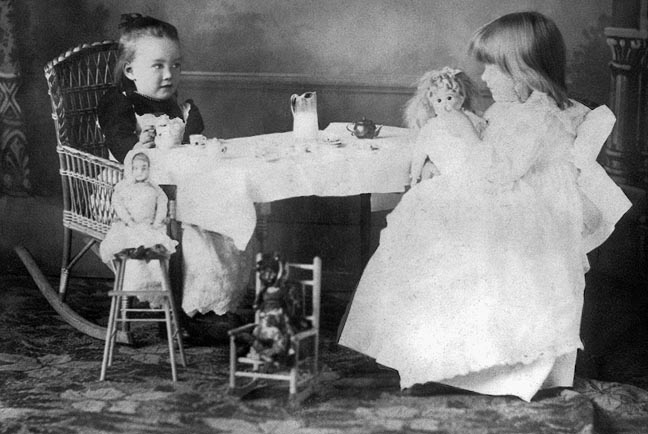
| Olde tyme tea party. Girls engaging in pretend play, 19th c. Photo via Wikimedia; public domain in US. |
When you look at the research that has been done to test that, it comes up really short… It may be that we’ve been testing the wrong things; and it may well be that when a future experiment is really well done we may find something that pretend play does for development, but at this point these claims are all overheated. This is our conclusion from having really carefully read the studies.
any play a child engages in, alone, with playmates, or with adults, that involves uses of the imagination to create a fantasy world or situation, such as making toy cars go “vrrooooom” or making dolls talk.
Historical Chemists Part II
If you have been watching tweets from @DoubleXSci since early December, you’ll have noticed tweets about Notable Historical and Modern Women in Science. Nearly 100 women were presented over twitter. Those women will be presented in a series here on the blog with the original tweeted links and information as well as with some additional information not able to be presented in 140 characters. We hope you look up more on these women.
![]() |
| Emma Perry Carr Photo from Wikimedia Commons |
Emma Perry Carr was a pioneer in UV spectroscopy and a beloved teacher.
![]() |
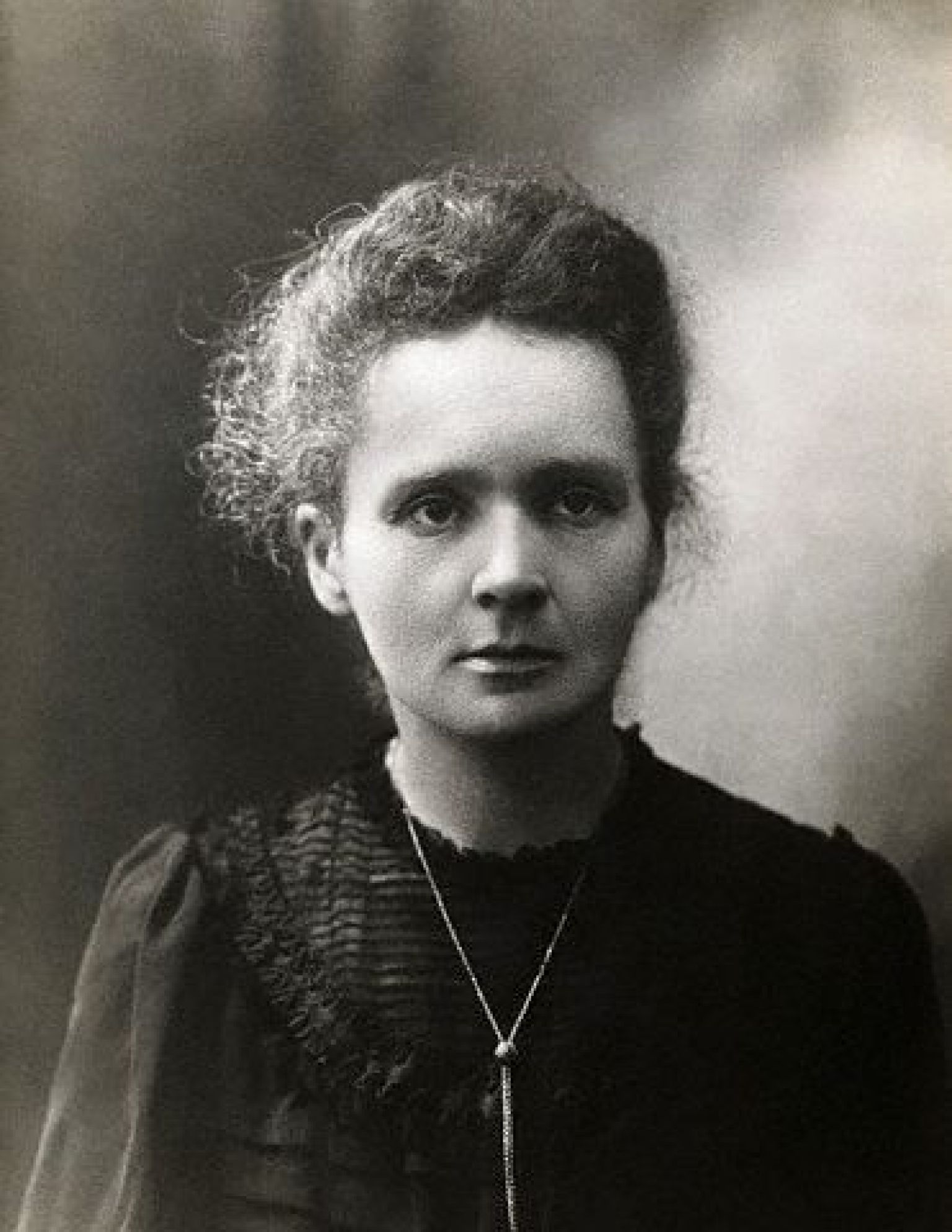
| Marie Sklodowska Curie Photo from Wikimedia Commons |
Physicist & Chemist Marie Sklodowska Curie was the first twice Nobel Prize laureate.
Nobel Prize: From the site:
Every year since 1901 the Nobel Prize has been awarded for achievements in physics, chemistry, physiology or medicine, literature and for peace. The Nobel Prize is an international award administered by the Nobel Foundation in Stockholm, Sweden. In 1968, Sveriges Riksbank established The Sveriges Riksbank Prize in Economic Sciences in Memory of Alfred Nobel, founder of the Nobel Prize. Each prize consists of a medal, personal diploma, and a cash award.
Why blueberries won’t turn you blue and other blueberry facts
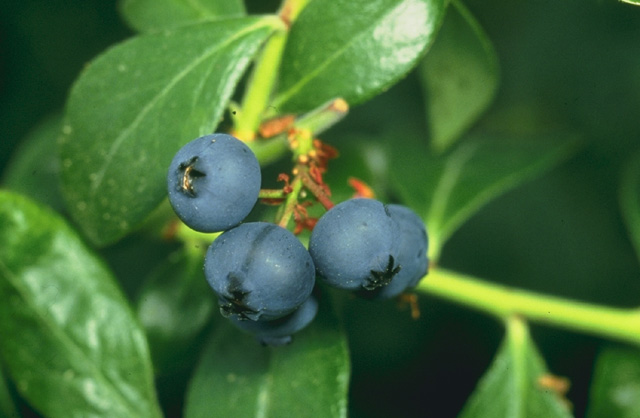
![]() |
| Blueberries. Credit. |
- 6 Tbsp. butter
- 3/4 cup sugar
- 2 eggs
- 1/2 cup milk
- 1/2 – 1 pint blueberries, fresh or frozen (defrosted)
- Food coloring, optional
- 2 cups all-purpose flour
- 1/4 tsp. salt
- 1 Tbsp. baking powder
- Your favorite mini-treat (Hershey’s Kisses, Hugs, Reese’s Mini Cups, strawberry jam, etc.)
- Preheat the oven to 350º. In a large bowl, cream the butter and sugar. You can use a wooden spoon, a potato masher or handheld electric mixer. Mix in the eggs, one at a time, and add the milk.
- Rinse the strawberries and cut off the green stem. Mash the berries with a potato masher or puree in a blender. Then stir the berries into the butter and milk mixture. TIP: For muffins with a more blue color, add a few drops of blue food coloring.
- In a separate bowl, sift the flour, salt and baking powder. Stir well. Add the flour mixture to the berry mixture. Use a wooden spoon to stir until all the white disappears.
- Line the muffin tin with paper liners. Drop the batter from a tablespoon to fill the cups halfway.
- Add a surprise: an unwrapped mini treat or 1/2 teaspoon of jam. Then spoon more batter to fill almost to the top.
- Bake until the muffins begin to brown and a toothpick inserted near the center (but not in the mini-treat) comes out clean, about 20-25 minutes.
- Remove the muffins from the tin and cool.
- 4 microwavable/stove top staff glasses, pots, or containers at least 1/2 cup in volume
- tablespoons or 1/4 cup measuring cup
- water
- spatula
- alum (available in the grocery store spice aisle)
- cream of tartar (available in the grocery store spice aisle)
- hot pads and tongs
- at least four small (1-2 in.) squares of white cotton cloth
- yellow onion skins
- blueberries
- spoon
- paper towels
- vinegar
- baking soda
- a dropper
- notebook for experimental observations
- Pour 4 tablespoons (1/4 cup) into container 1. Add a pea-sized scoop of alum and about half that amount of cream of tartar and stir. Bring the solution to a boil on the stove top or by microwaving for about 60 seconds. (Your microwave may vary.) Add two small squares of white cotton cloth and boil for two minutes. Set the container aside. The squares will be used in steps 4 and 6.
- Tear the outer, papery skin from a yellow onion into pieces no more than 1 inch square. Place enough pieces in a second container to cover its bottom with 2 or 3 layers of onion skin. Add about 4 tablespoons of water to the container. Bring the solution to a boil on the stove top, continuing to boil for 5 minutes.
- Wet a new square of cloth with water. Place it in container 2 so it is completely submerged and boil for 1 minute. Using tongs, remove the cloth and rinse it with water. Place the cloth square in the appropriate area on a labeled paper towel.
- Use tongs to remove one of the cloth squares from beaker 1. Repeat step 3 using this square. Compare to the dyed cloth square from step 3.
- Pour 4 tablespoons of water in a third container. Add 4-5 blueberries to the container and mash them with a spoon. Bring the solution to a boil on the stove, and continue to boil for 5 minutes.
- Repeat steps 3 and 4 substituting the blueberry mixture in container 3 for the onion skin mixture in container 2.
- Mix a small scoop of baking soda with a tsp of water in a clean container. With a dropper, place 1-2 drops of the baking soda solution in one corner of each cloth square. What happens? Rinse the dropper thoroughly, then place 1-2 drops of vinegar on the opposite corner of each square. What happens? Rinse the fabric squares under cool running water. Is there a change? Allow the squares to dry overnight. Is there any change of the cloth dries?


.jpg)