

 |
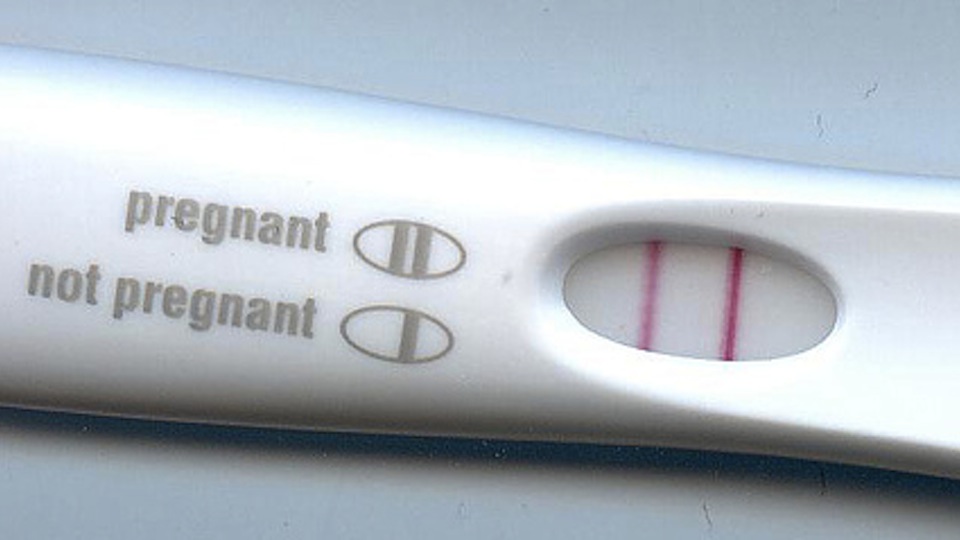
There’s an old saying: You can’t be a little bit pregnant. Pregnancy is what you might call a binary condition – you either are with child, or you’re not. Home pregnancy tests embody this thinking. You pee on the end of a stick, and three minutes later you either do or do not see a line in the results window. Congratulations, you’re expecting!
.jpg) |
| The SlipChip design Source: Nat. Commun. 3:1283 doi: 10.1038/ncomms2292 (2012). |
In the SlipChip, two pieces of glass etched with microfluidic wells and channels are assembled together in the presence of mineral oil. A fluidic path is formed when the two plates aligned in a specific configuration. Samples or reagents are preloaded through drilled holes using a pipette, and the top plate is then moved relative to the bottom plate to enable the diffusion and reaction of samples or reagents.
This video shows how it works.
The team calls its device a “volumetric bar-chart chip,” or V-Chip. The V-Chip runs what’s called an ELISA (enzyme linked immunosorbent assay), which is the gold standard in biomarker quantitation tests. Normally ELISAs are read with some sort of instrument that can measure either color, fluorescence, or chemiluminescence. The V-Chip is far simpler (albeit, less quantitative).