If you want your dinner, little fairy wren, sing the secret password!

By Tara Haelle, DXS contributor
[This post appeared previously at Red Wine and Applesauce.]
Magic words and passwords are fun – and good learning tools. We teach our children to say the “magic word” when they ask for something, and many of us teach our children a password to use with school pick-ups so they don’t go home with a stranger.
But there’s one bird species that one-ups us humans on special passwords – the superb fairy-wrens of southeastern Australia. Not only do they teach their chicks a special secret password note, but they do it before the chicks even hatch. And just like humans, they’re trying to keep the strangers away. These are the findings of Diane Colombelli-Négrel and her colleagues in a Nov. 8 study in Current Biology.
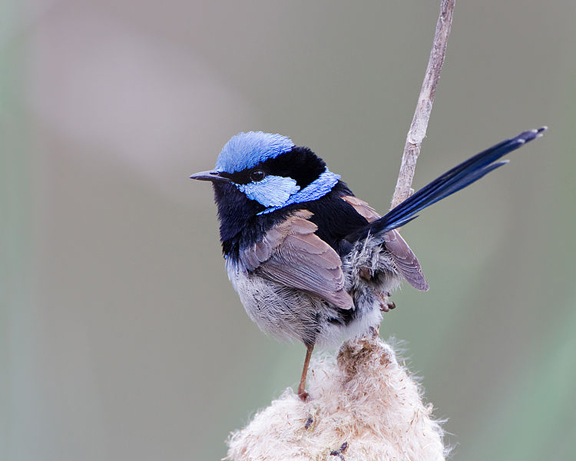
The superb fairy-wren of southeastern Australia. Photo by JJ Sullivan.
See, fairy-wrens are a bird species who are sometimes exploited by a “brood parasite.” Brood parasites are animals that use the parenting of a different species to save themselves all that energy of raising their young. It’s like having a baby and dropping it off in your neighbor’s bassinet to deal with to save you the trouble. In the case of superb fairy-wrens, the brood parasite is the Horsfield’s bronze cuckoo. Momma cuckoos lay their eggs in fairy-wren nests with the expectation that once the cuckoo chick hatches, he’ll reap the benefits of having a fairy-wren mother to feed and protect him.
But fairy-wrens have adapted to this evolutionary trick with a clever one of their own. A little more than halfway through their 14-day incubation, starting on day nine, fairy-wren mothers sing an “incubation song” while sitting on their eggs. Every four minutes, she sings a two-second tune, and the little growing chicks in her eggs are listening… and learning.
She sings daily until the eggs hatch five days later, and then the chicks do what any other newborn bird does: they beg for food. But their begging cries contain a single unique note pulled from their mother’s song. That note becomes a password letting the mother fairy-wren know that each of these chicks are really hers.
So what about the cuckoos? Well the mother cuckoos usually drop off their eggs just a few days before the fairy-wrens hatch – too late in the incubation period for the cuckoo chicks inside to learn the password note. When a cuckoo posing as a fairy-wren hatches, he doesn’t know the password of his fake step-brothers and sisters, so he doesn’t incorporate that single special note into his cries. And so the fairy-wren mother ignores him. In fact, when she notices there’s interloper in the nest, she and her mate will usually fly off and make a new nest elsewhere.
Colombelli-Negrel and her colleagues discovered this unique password adaptation through a series of cross-fostering experiments. They observed 15 fairy-wren nests during incubation periods, when they heard the mothers singing to their eggs. When they swapped eggs of fairy-wrens among the nests, the newly hatched chicks begged for food using the special note of the mother who incubated them, not the foster mother whose nest they hatched in. When the researchers played a loudspeaker under a nest with the wrong begging call, the mother fairy-wrens didn’t feed their chicks.
Fairy-wrens stick with their mates for life, so dad is involved in caring for the chicks as well. But often so are other males because even though the fairy-wrens are socially monogamous, they tend to have open marriages – both males and females will mate with others, and a clutch of eggs is often the result of different more than father.
The female fairy-wrens therefore make sure that dad and any other helpers know the secret password by singing them a “solicitation song” away from the nest. If dad or any other helpers are assisting with feeding, then, like mom, they only feed the chicks who sing the secret password.

Halloween and poisoned treat rumors: What are the facts?

1920s Halloween postcard.
Via Wikimedia Commons. Public domain in USA.
Many of us probably heard the stories as kids: the razor in the apple, the poison in the Pixy Stix, the mean elderly lady who inexplicably wouldn’t let children run through her flowerbeds and thus was clearly planning some dire Halloween revenge on those who did. As adults, some with children, we see these rumors in a new way, one that perhaps has us trailing our children at a respectful distance, making sure they heed our warnings to go only to the houses of people they know. (OK, I don’t do that, but some parents do).

But how frequent are these acts of Halloween malevolence? Which of the most infamous rumors are, in fact, facts?

Who better to answer those questions that the queen of poison writers-that’s a good thing-Deborah Blum, author of (natch) The Poisoner’s Handbook: Murder and the Birth of Forensic Medicine in Jazz Age New York, one of the most lyrical, fascinating, and macabre interweavings of history, forensics, and chemistry you’ll ever encounter. So, for more of that narrative craft and to sift the facts from the rumors, get thee over to Blum’s blog site at Wired, where she’s got the post that answers your childhood-and adult-questions about the real-life ghouls of Halloween night, including one terrible story about a father who killed his son.

Blum writes:

This was the 1960s and even then, people told stories, warned their children, about the psychopaths out there who might drop poisoned candy into one’s hands. In the long history of the holiday, truthfully, this has almost never happened. But the very nature of Halloween – the witch at the door, the monster in the closet – lends itself to such ideas. Wasn’t there a crazy woman on Long Island in 1964, after all, who handed out arsenic to trick-or-treaters she thought too old for the candy hunt?

It hardly mattered that as Snopes points out, she didn’t kill anyone. And her deliberate poisoning attempt seems to be an odd exception to the general goodwill of the holiday. The psychopath at the door is an urban myth.

Read on …

100 Years

By Adrienne M. Roehrich, Chemistry Editor

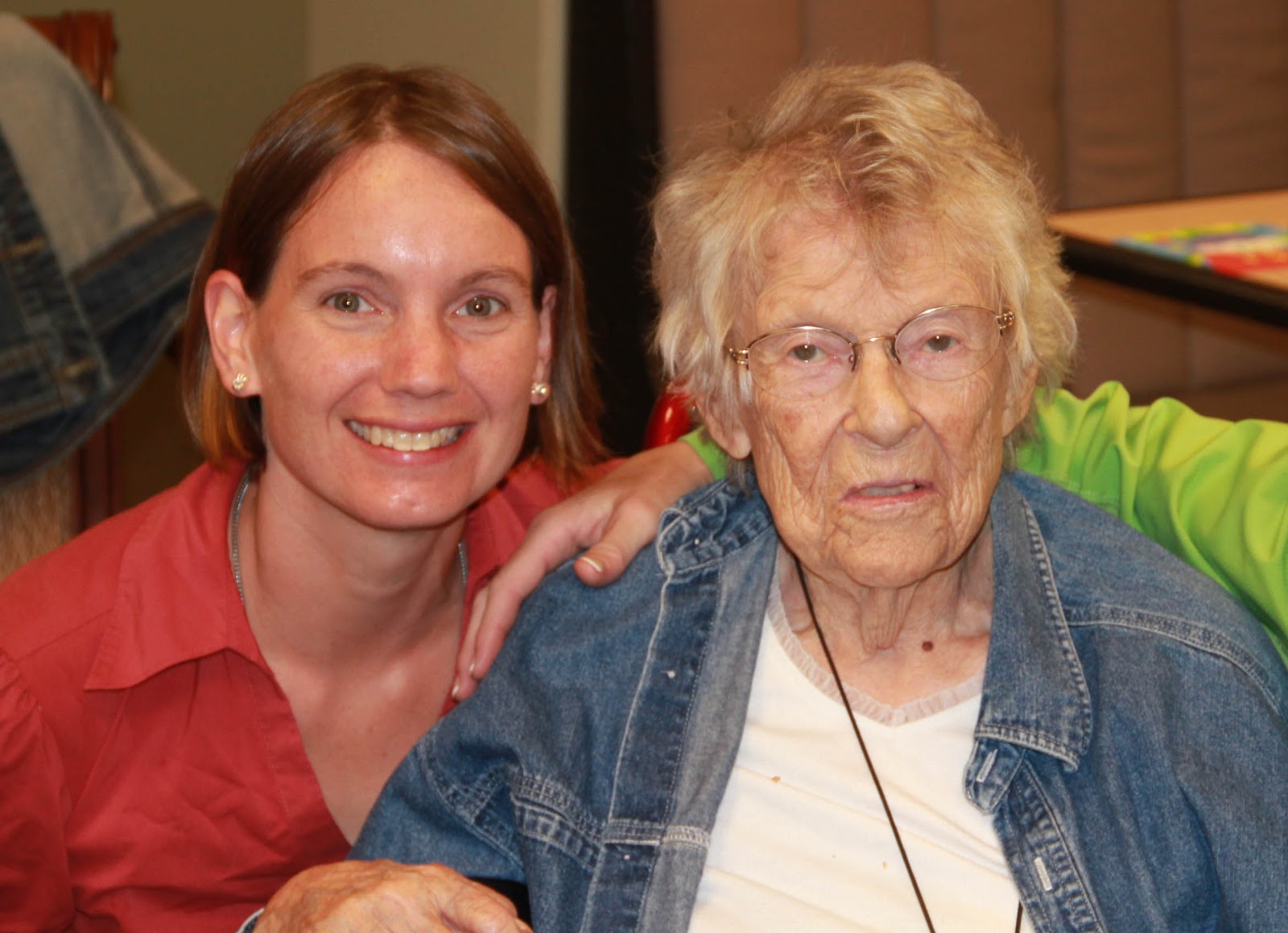
Photo of the author with her 100 year old grandmother 10-1-2012

100 is such a nice round number.

Should I start with a disclaimer? I’m a chemist, not a biologist. Perhaps I should leave a post on centenarians to the biologists, but I have a vested interest in the topic. On October 1 of this year, my grandmother turned 100, so I’ve been a little obsessed with living until 100. In the United States, an estimated 1 in 4400 people reach the age of 100 and the highest number worldwide. The next highest number of centenarians reside in Japan, with a rate of 1 in 3500 people.

The question is, why do these people live so long? This is a highly studied question. When one delves into the literature, as with most questions, there is no simple answer and often studies conflict with each other. There are different modes of study: some scientists study those who have become centenarians to try to determine what they have done to reach this rare milestone while other scientists work in theories, then animal models to study what pathways lead to longevity.

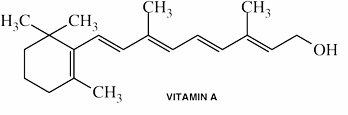
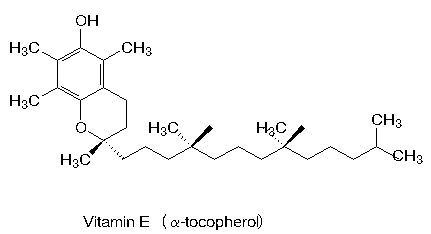
Studies have found that healthy centenarians in some areas have high levels of vitamin A and vitamin E1 and  higher red blood cell glutathione reductase and catalase activities.2,3 But the presence of higher levels of these vitamins and glutathione reductase is not present in all centenarians, and the mere presence of these high levels does not necessarily indicate longevity.

Molecules that may or may not help longevity

You may have heard exclamations about antioxidants or calorie restriction. While antioxidants (the aforementioned vitamin A and vitamin E) are known to protect the body from the harmful effects of free-radicals, which occur in the normal processes of the body, evidence does not support that simply adding more antioxidants to the diet will slow aging. There are studies also showing that calorie restriction may have beneficial effects in terms of markers of aging in some animals, but many animals that are commonly used as human models do not extend longevity under calorie restriction, and such a course of action may have deleterious effects. The safety and benefits of long-term calorie restriction is currently unknown. Scientists are working towards answering these questions.

Genetics plays an important role. The best predictor of a person reaching 100 is having a sibling live past 100. Variations in genes abound, but other than children of long-lived parents living longer, specifics are elusive. Oddly, being born in the Fall (September through November) is linked with a higher likelihood of becoming a centenarian.4 And functional independence for a longer period of time (past the age of 90) was found to be strongly correlated to centenarians. 90% of the participants in the New England Centenarian study were found to have been so.

Hormones are integral to our body function and have been studied for their potential pathways in longevity. Testosterone has been focused on, and lately a study of Korean eunuchs gave a higher rate of centenarians, 3 in 81 individuals. Due to the wide variability of the amount of testosterone produced by individuals, whether more or less testosterone exposure is beneficial or deleterious is unknown.

What causes aging? This question is so important the National Institutes of Health (NIH) has devoted National Institute on Aging, the leading research institute on aging. A summary in more detail than I have gone into here is given on the NIH NIA’s site about preventing aging.

If we look at the cellular level, scientists discovered that complete copying of DNA is dictated by telomeres and the enzyme telomerase, which earned 3 scientists the Nobel Prize in Physiology and Medicine in 2009. The unique DNA sequence in the telomeres protects chromosomes from degradation. When telomeres are shortened, cells age. Eventually, the telomeres will shorten, and cells will age and die. Unfortunately, extending telomeres or increasing the activity of telomerase enzyme does not help anti-aging, it contributes towards the growth of cancerous cells.

A conversation with Dr. Mark D Johnson on twitter gave me these neat facts: Complete natural Homo sapiens LifeSpan = 120 years! All mammals except humans, bonobos, and chimpanzees, live six times their growth cycle. We grow within 20 years. That means natural mammal lifespan of 120.

Overall, the contributing factors towards ageing and longevity are deemed to be complicated and there is no short-order anti-aging remedy.

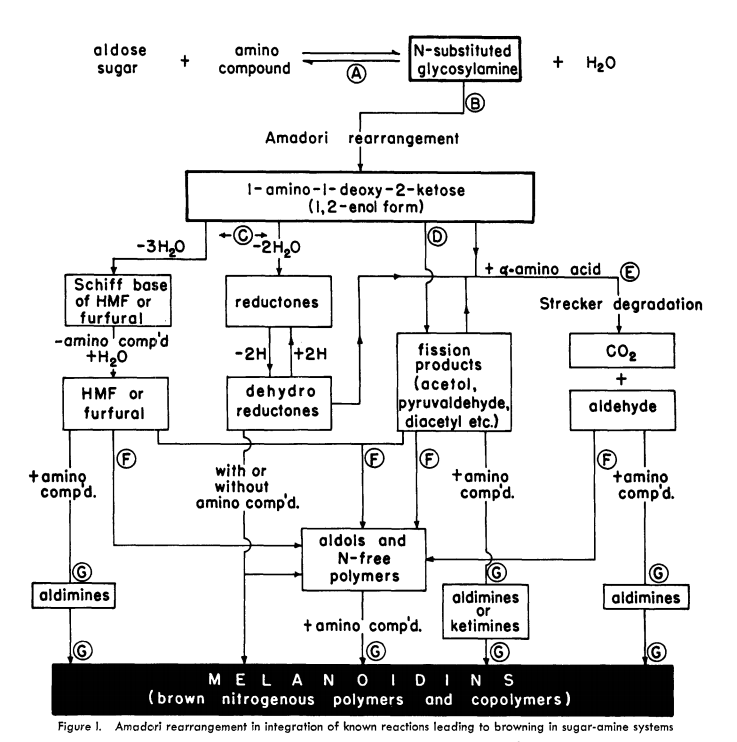
Turning more towards my own field of expertise, the Maillard Reaction, a chemical reaction that makes cooked food tasty, also turns 100. Obviously, the actual chemical reaction goes back longer than 100 years – to when amino acids began to react with sugars at elevated temperatures. However, the French chemist Louis-Camille Maillard first reported the nature of these reactions in 1912.5 Maillard chemistry not only describes the molecules in baked bread, grilled veggies, and brewing of beer, but also other molecules as products, so many that chemists did not study Maillard chemistry in detail until World War II. Nearly 60 years ago, African American chemist John E. Hodge reported a mechanism for the Maillard reaction6.

Hodge’s Flowchart of the Maillard Reaction
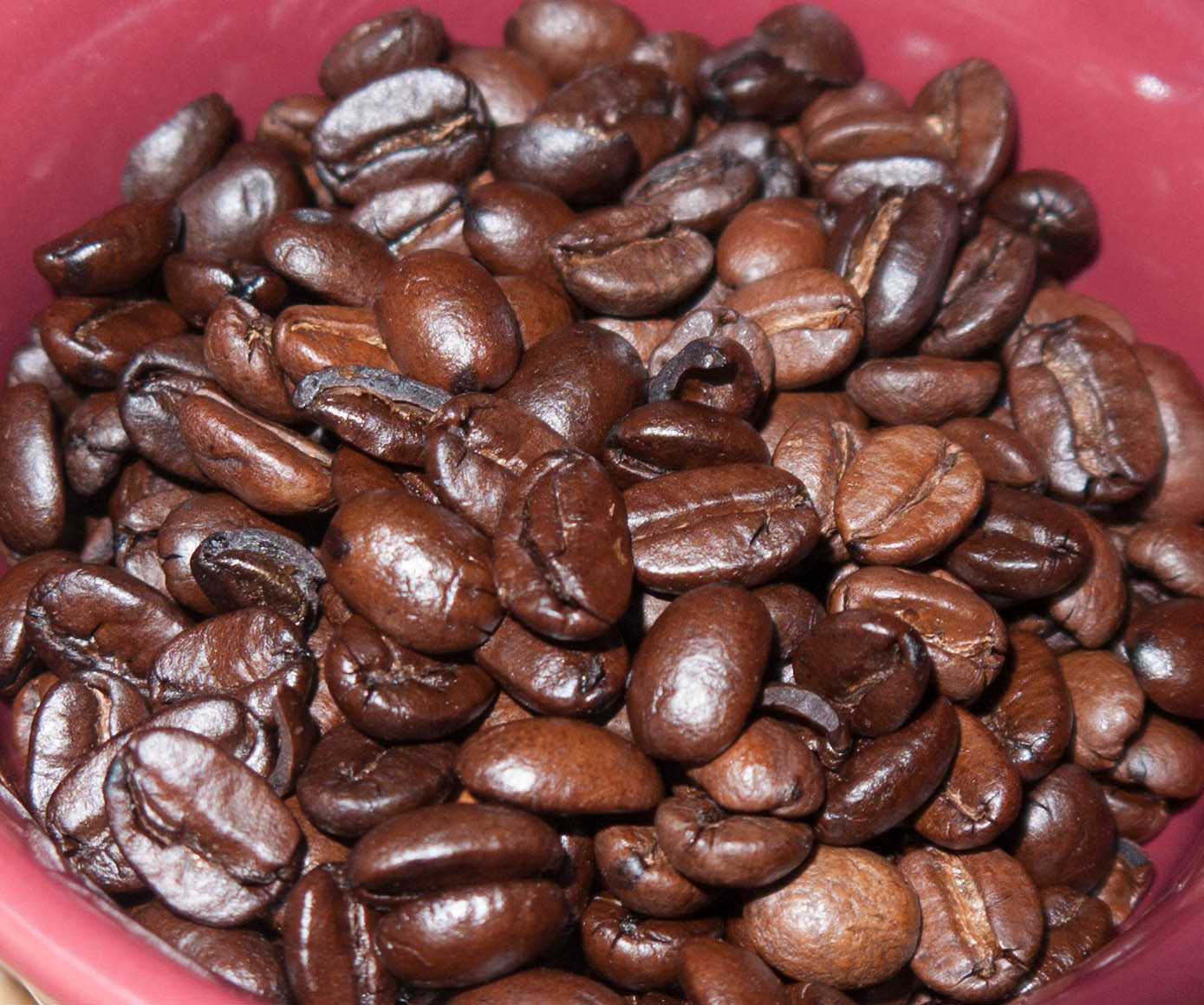
Products of the Maillard reaction range from molecules that are both welcome and abhorrent. The usually enjoyed flavor and aroma of roasted coffee is a product of the Maillard reaction, as is the char on the surface of grilled food which is considered to be carcinogenic.

Roasted Coffee Beans, photo by Adrienne Roehrich
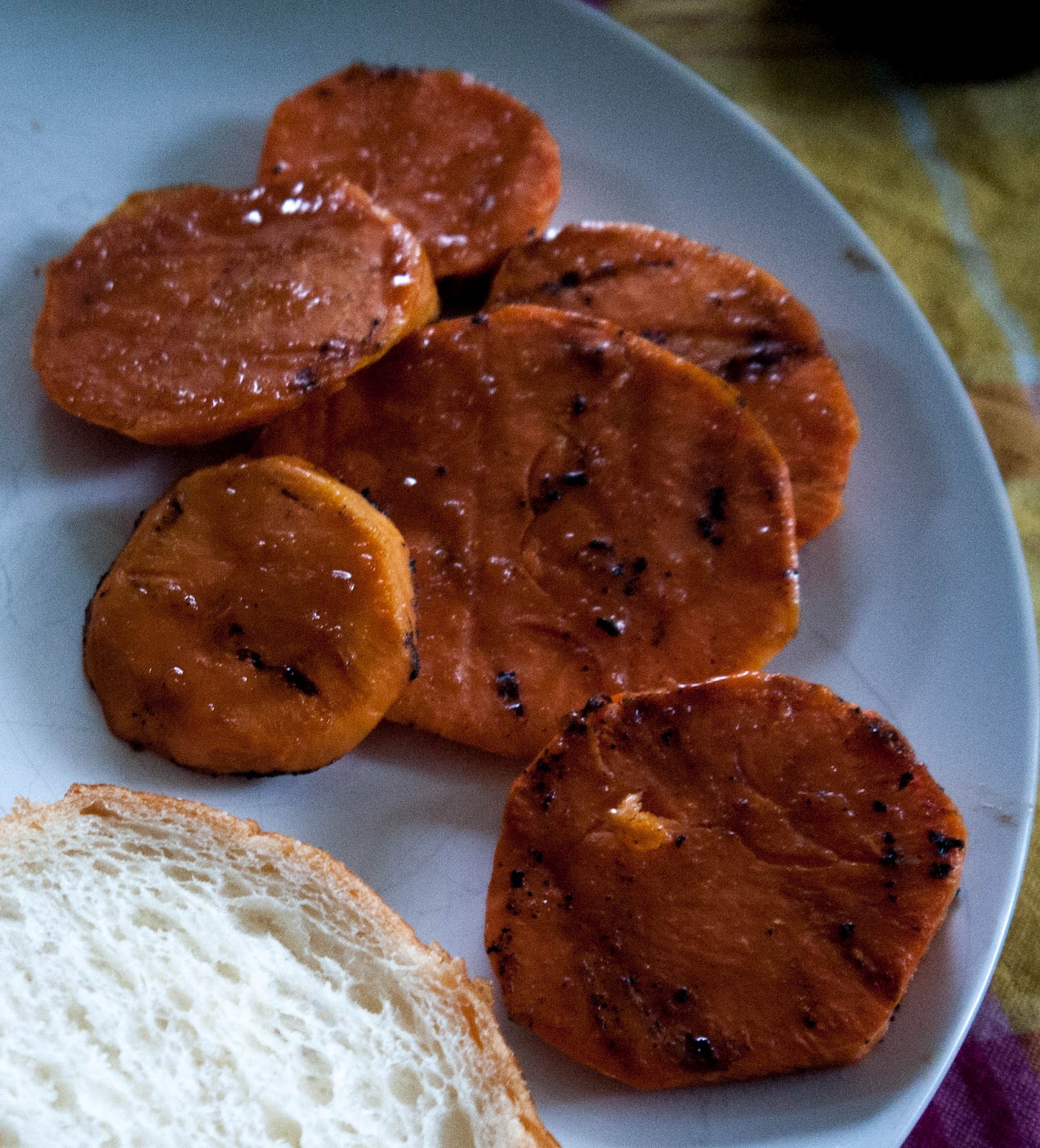
Grilled Yams, photo by Adrienne Roehrich

Do you know someone or something that has reached the anniversary of 100 years on this earth?


References:
  (1)  Mecocci, P.; Polidori, M. C.; Troiano, L.; Cherubini, A.; Cecchetti, R.; Pini, G.; Straatman, M.; Monti, D.; Stahl, W.; Sies, H.; Franceschi, C.; Senin, U. Free Radical Biology and Medicine 2000, 28, 1243.
  (2)  Klapcinska, B.; Derejczyk, J.; Wieczorowska-Tobis, K.; Sobczak, A.; Sadowska-Krepa, E.; Danch, A. Acta Biochimica Ponoica 2000, 47, 281.
  (3)  Andersen, H. R.; Jeune, B.; Nybo, H.; Neilsen, J. B.; Andersen-Randberg, K.; Grandjean, P. Age and Ageing 1998, 27, 643.
  (4)  Journal of Aging Research 2011, 2011.
  (5)  Maillard, L.-C. Comp. Rend. 1912, 66.
  (6)  Hodge, J. E. Journal of Agricultural and Food Chemistry 1953, 1, 928.

How helpful are dense-breast right-to-know laws?

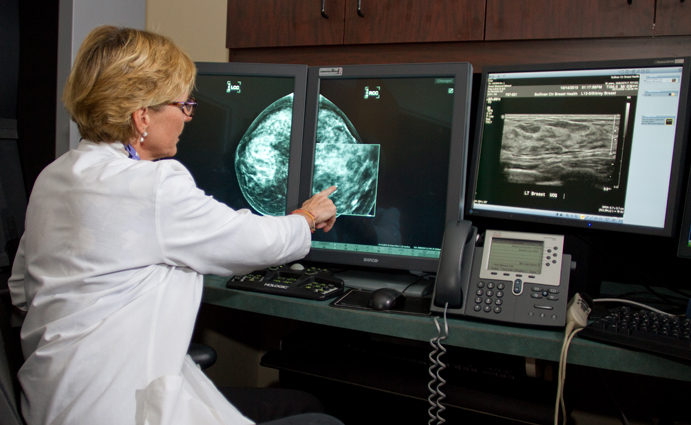
A doctor reviews a digital mammogram, pointing to a possible cancer.
Credit: National Cancer Institute.
By Laura Newman, DXS contributor
In a victory for the dense-breast patient movement, Governor Jerry Brown (D-CA) signed legislation last week requiring that doctors who discover that women have dense breasts on mammography must inform women that:

§  dense breasts are a risk factor for breast cancer;
§  mammography sees cancer less well in dense breasts than in normal breasts; and
§  women may benefit from additional breast cancer screening.

The California law goes into effect on April 1, 2013. It follows four states (Connecticut, Texas, Virginia, and New York) with similar statutes. All have enjoyed solid bipartisan support. Rarely do naysayers or skeptics speak up.
Young women who are leading the charge often bring lawmakers the story of a young constituent, diagnosed with a very aggressive, lethal cancer that was not shown on film-screen mammography. The Are You Dense? patient advocacy group engages patients on Facebook, where women share their experiences with breast cancer, organize events, and lobby for legislation. Individual radiologists work with the advocacy groups, but many radiology groups and breast surgeons do not endorse these laws.


A Closer Look at Breast Cancer Data

Living in an age when information is viewed as an entitlement, knowledge, and power, many physicians find it hard to argue against a patient’s right to know. Can sharing information be a mistake? Some epidemiologists think so. Otis W. Brawley, MD, FACP, Chief Medical & Scientific Officer, American Cancer Society, says: “I really worry when we legislate things that no one understands. People can get harmed.” Numerous issues have to be worked out, according to Brawley. For one, he explains: “There is no standard way to define density.” Additionally, “even though studies suggest that density increases the risk of cancer, these cancers tend to be the less serious kind, but even that is open to question,” Brawley says. “We in medicine do not know what to do for women who have increased density.”

A study of more than 9,000 women in the Journal of the National Cancer Institute revealed that women with very dense breasts were no more likely to die than similar patients whose breasts were not as dense. “When tumors are found later in more dense breasts, they are no more aggressive or difficult to treat,” says Karla Kerlikowske, MD, study coauthor, and professor of medicine and epidemiologist at the University of California San Francisco. In fact, an increased risk of death was only found in women with the least dense breasts.


The trouble is what is known about dense breasts is murky. Asked whether he backs advising women that dense breasts are a risk factor for breast cancer, Anthony B. Miller, MD, Co-Chair of the Cancer Risk Management Initiative and a member of the Action Council, Canadian Partnership Against Cancer, and lead investigator of the Canadian National Breast Cancer Screening Study, says: “I would be very cautious. The trouble is people want certainty and chances are whatever we find, all we can do is explain.”

Women in their forties, who are most likely to have dense breasts (density declines with age) may want to seek out digital mammography. In studies comparing digital mammography to film-screen mammography in the same women, digital mammography has been shown to improve breast cancer detection in women with dense breasts. Findings from the Digital Mammographic Imaging Screening Study, showed better breast cancer detection with digital mammography. But digital mammography is not available in many areas. Moreover, Miller explains: “We do not know if this will benefit women at all. It is very probable that removal of the additional small lesions will simply increase anxiety and health costs, including the overdiagnosis of breast cancer, and have no impact upon mortality from breast cancer.”


Additional imaging studies sound attractive to people convinced that there is something clinically significant to find. But as I pointed out in my last post, many radiologists and breast physicians contend that there is no evidence that magnetic resonance imaging or any other imaging study aids breast cancer screening in women with dense breasts. Brawley notes: “These laws will certainly lead to more referral for MRI and ultrasound without clear evidence that women will benefit (lives will be saved.) It’s clear that radiologists will make more money offering more tests.” Miller adds: “A number of doctors are trying to capitalize on this and some of them should know a lot better.”


Many Advocates Question More Tests, Statutes

Even though the “Are You Dense?” campaign has been instrumental in getting legislation on the books across the county, other advocacy groups and patient advocates want research, enhanced patient literacy about risks and benefits of procedures. Many recall mistakes made that led women down the path of aggressive procedures. In that group is the radical Halsted mastectomy, used widely before systematic study, but once studied, found no better than breast-conserving surgery for many cancers, and bone marrow transplants, also found to be ineffective, wearing, and costly.

Jody Schoger, a breast cancer social media activist at @jodymswho engages women weekly on twitter at #bcsm, had this to say on my blog about the onslaught of additional screening tests:

“What is needed is not another expensive modality… but concentrated focus for a biomarker to indicate the women who WILL benefit from additional screening. Because what’s happening now is an avalanche of screening, and its subsequent emotional and financial costs, that is often far out of proportion to both the relative and absolute risk for invasive cancer. I simply don’t think more “external” technology is the answer but one that evolves from the biology of cancer.”

Eve Harris @harriseve, a proponent of patient navigation and patient literacy, challenged Peter Ubel, MD, professor of business administration and medicine, at Duke University, on his view of the value of patient empowerment on the breast density issue. In a post on Forbes, replicated in Psychology Today, Ubel argued that in cases where the pros and cons of a patient’s alternatives are well known, for example, considering mastectomy or lumpectomy, patient empowerment play an important role. “But we are mistaken to turn to patient empowerment to solve dilemmas about how best to screen for cancer in women with dense breasts,” he writes.


Harris disagrees, making a compelling case for patient engagement:

“I think that we can agree that legislative interference with medical practice is not warranted when it cannot provide true consumer protection. But the context is the biggest culprit in this situation. American women’s fear of breast cancer is out of proportion with its incidence and its mortality rate. Truly empowering people—patients would mean improving health literacy and understanding of risk…”


But evidence and literacy take time, don’t make for snappy reading or headlines, and don’t shore up political points. Can we stop the train towards right-to-inform laws and make real headway in women’s health? Can we reallocate healthcare dollars towards effective treatments that serve patients and engage them in their care? You have to wonder.
[Today’s post is from Patient POV,  the blog  of Laura Newman, a science writer who has worked in health care for most of her adult life, first as a health policy analyst, and as a medical journalist for the last two decades. She was a proud member of the women’s health movement. She has a longstanding interest in what matters to patients and thinks that patients should play a major role in planning and operational discussions about healthcare. Laura’s news stories have appeared in Scientific American blogs, WebMD Medical News, Medscape, Drug Topics, Applied Neurology, Neurology Today, the Journal of the National Cancer Institute, The Lancet, and BMJ, and numerous other outlets. You can find her on Twitter @lauranewmanny.]

The opinions in this article do not necessarily conflict with or reflect those of the DXS editorial team. 

Towards better drug development, fewer side effects?

You may have had the experience: A medication you and a friend both take causes terrible side effects in you, but your friend experiences none. (The running joke in our house is, if a drug has a side-effect, we’ve had it.) How does that happen, and why would a drug that’s meant to, say, stabilize insulin levels, produce terrible gastrointestinal side effects, too? A combination of techy-tech scientific approaches might help answer those questions for you — and lead to some solutions.

It’s no secret I love lab technology. I’m a technophile. A geek. I call my web site “Biotechnically Speaking.” So when I saw this paper in the September issue of Nature Biotechnology, well, I just had to write about it.

The paper is entitled, “Multiplexed mass cytometry profiling of cellular states perturbed by small-molecule regulators.” If you read that and your eyes glazed over, don’t worry –- the article is way more interesting than its title.

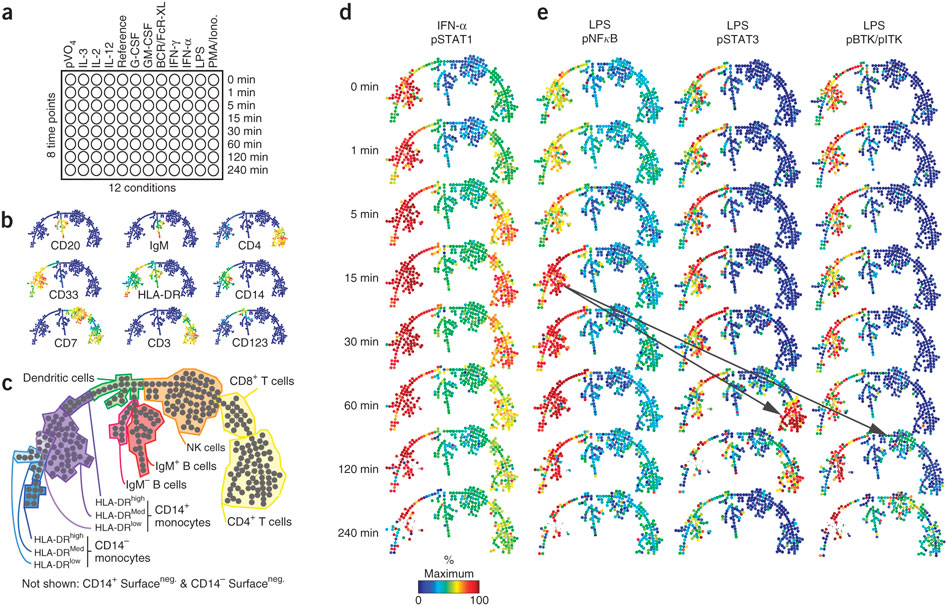
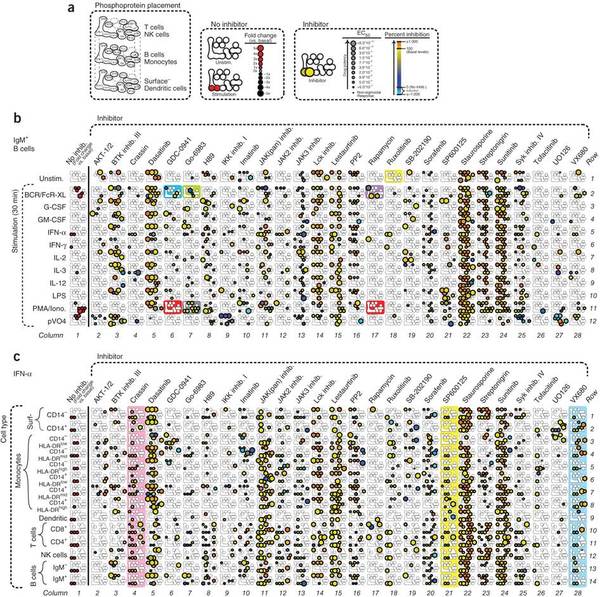
Those trees on the right are called SPADE trees. They map cellular responses to different stimuli in a collection of human blood cells. Credit: (c) 2012 Nature America [Nat Biotechnol, 30:858-67, 2012]
Here’s the basic idea: The current methods drug developers use to screen potential drug compounds –- typically a blend of high-throughput imaging and biochemical assays – aren’t perfect. If they were, drugs wouldn’t fail late in development. Stanford immunologist Garry Nolan and his team, led by postdoc Bernd Bodenmiller (who now runs his own lab in Zurich), figured part of that problem stems from the fact that most early drug testing is done on immortalized cell lines, rather than “normal” human cells. Furthermore, the tests that are run on those cells aren’t as comprehensive as they could be, meaning potential collateral effects of the compounds might be missed. Nolan wanted to show that flow cytometry, a cell-analysis technique frequently used in immunology labs, can help reduce that failure rate by measuring drug impacts more holistically.


Nolan is a flow cytometry master. As he told me in 2010, he’s been using the technique for more than three decades, and even used a machine now housed in the Smithsonian.


In flow cytometry, researchers treat cells with reagents called antibodies, which are immune system proteins that recognize and bind to specific proteins on cell surfaces. Each type of cell has a unique collection of these proteins, and by studying those collections, it is possible to differentiate and count the different populations.


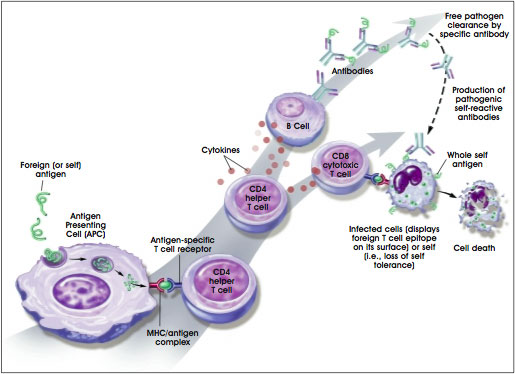
Suppose researchers wanted to know how many T cells of a specific type were present in a patient’s blood. They might treat those cells with antibodies that recognize a protein known as CD3 to pick those out. By adding additional antibodies, they can then select different T-cell subpopulations, such as CD4-positive helper T cells and CD8-positive cytotoxic T cells, both of which help you mount immune responses.


Cells of the immune system
Source: http://stemcells.nih.gov/info/scireport/chapter6.asp
In a basic flow cytometry experiment, each antibody is labeled with a unique fluorescent dye –- the antibody targeting CD3 might be red, say, and the CD4 antibody, green. The cells stream past a laser, one by one. The laser (or lasers –- there can be as many as seven) excites the dye molecules decorating the cell surface, causing them to fluoresce. Detectors capture that light and give a count of how many total cells were measured and the types of cells. The result is a kind of catalog of the cell population. For immune cells, for example, that could be the number of T cells, B cells (which, among other things, help you “remember” previous invaders), and macrophages (the big cells that chomp up invaders and infected cells). By comparing the cellular catalogs that result under different conditions, researchers gain insight into development, disease, and the impact of drugs, among other things.


But here’s the problem: Fluorescent dyes aren’t lasers, producing light of exactly one particular color. They absorb and emit light over a range of colors, called a spectrum. And those spectra can overlap, such that when a researcher thinks she’s counting CD4 T cells, she may actually be counting some macrophages. That overlap leads to all sorts of experimental optimization issues. An exceptionally talented flow cytometrist can assemble panels of perhaps 12 or so dyes, but it might take months to get everything just right.


That’s where the mass cytometry comes in. Commercialized by DVS Sciences, mass cytometry is essentially the love-chid of flow cytometry and mass spectrometry, combining the one-cell-at-a-time analysis of the former with the atomic precision of the latter. Mass spectrometry identifies molecules based on the ratio of their mass to their charge. In DVS’ CyTOF mass cytometer, a flowing stream of cells is analyzed not by shining a laser on them, but by nuking them in superhot plasma. The nuking reduces the cell to its atomic components, which the CyTOF then measures.

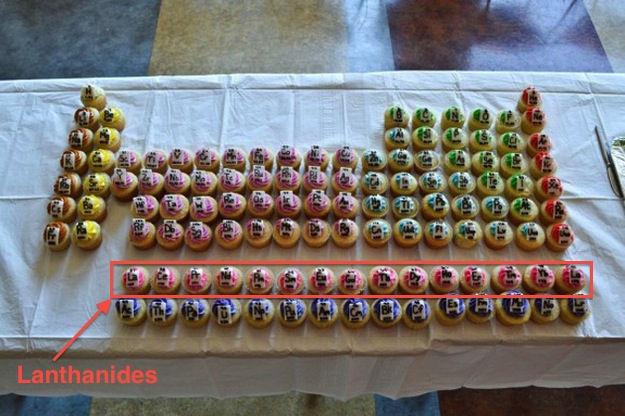
Specifically, the CyTOF looks for heavy atoms called lanthanides, elements found in the first of the two bottom rows of the periodic table, like gadolinium, neodymium, and europium. These elements never naturally occur in biological systems and so make useful cellular labels. More to the point, the mass spectrometer is specific enough that these signals basically don’t overlap. The instrument will never confuse gadolinium for neodymium, for instance. Researchers simply tag their antibodies with lanthanides rather than fluorophores, and voila! Instant antibody panel, no (or little) optimization required.

Periodic Table of Cupcakes, with lanthanides in hot pink frosting.
Source: http://www.buzzfeed.com/jpmoore/the-periodic-table-of-cupcakes
Now back to the paper. Nolan (who sits on DVS Sciences’ Scientific Advisory Board) and Bodenmiller wanted to see if mass cytometry could provide the sort of high-density, high-throughput cellular profiling that is required for drug development. The team took blood cells from eight donors, treated them with more than two dozen different drugs over a range of concentrations, added a dozen stimuli to which blood cells can be exposed in the body, and essentially asked, for each of the pathways we want to study, in each kind of cell in these patients’ blood, what did the drug do?


To figure that out, they used a panel of 31 lanthanides –- 10 to sort out the cell types they were looking at in each sample, 14 to monitor cellular signaling pathways, and 7 to identify each sample.


I love that last part, about identifying the samples. The numbers in this experiment are kind of staggering: 12 stimuli x 8 doses x 14 cell types x 14 intracellular markers per drug, times 27 drugs, is more than half-a-million pieces of data. To make life easier on themselves, the researchers pooled samples 96 at a time in individual tubes, adding a “barcode” to uniquely identify each one. That barcode (called a “mass-tag cellular barcode,” or MCB) is essentially a 7-bit binary number made of lanthanides rather than ones and zeroes: one sample would have none of the 7 reserved markers (0000000); one sample would have one marker (0000001); another would have another (0000010); and so on. Seven lanthanides produce 128 possible combinations, so it’s no sweat to pool 96. They simply mix those samples in a single tube and let the computer sort everything out later.


This graphic summarizes a boatload of data on cell signaling pathways impacted by different drugs.
Credit: (c) 2012 Nature America [Nat Biotechnol, 30:858-67, 2012]
When all was said and done, the team was able to draw some conclusions about drug specificity, person-to-person variation, cell signaling, and more. Basically, and not surprisingly, some of the drugs they looked at are less specific than originally thought -– that is, they affect their intended targets, but other pathways as well. That goes a long way towards explaining side effects. But more to the point, they proved that their approach may be used to drive drug-screening experiments.


And I get to write about it.

Leaky gut and wonky immune response might be double whammy leading to inflammatory bowel disease (in mice)

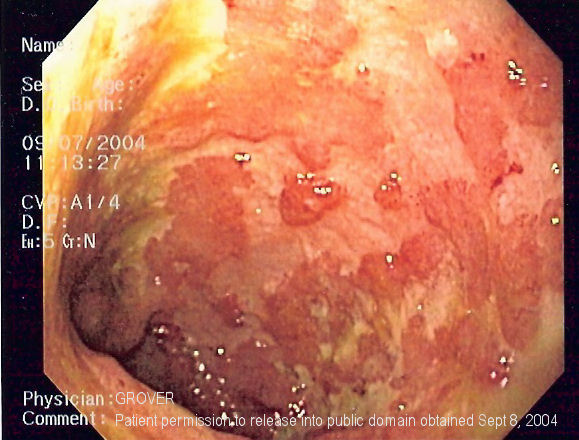
A case of ulcerative colitis, a form of inflammatory bowel disease.
Photo via Wikimedia Commons. Credit: Samir.

A two-hit punch in the gut might explain why some people find themselves alone among their closest relatives in having inflammatory bowel disease (IBD). The double gut punches come in the form of a compromised intestinal wall coupled with a poorly behaved immune system, say Emory researchers, whose work using mice was published in the journal Immunity. IBDs include ulcerative colitis and Crohn’s disease, the latter of which is slightly more common in women.

An inflamed gut is the key feature of IBD, which affects about 600,000 people in the United States each year. Typical symptoms include bloody diarrhea, fever, and cramps, which can come and go with bouts of severe inflammation punctuating relatively calm periods. The going explanation for these disorders is a wonky immune system, but some breach of the barrier that keeps your gut contents in their place is also implicated. Researchers also have identified a link between bouts of gastroenteritis-known around my house as “throw-up” illnesses-and development of IBD. What’s remained unclear is how people who have these so-called “leaky guts” don’t develop a disease like Crohn’s when a close family member with a leaky gut does.

These hints in humans led the Emory investigators to examine the interaction of a compromised gut and the immune system in mice. The mice in the study had ‘leaky’ gut walls because they lacked a protein that usually ties cells together into water-tight sheets. Without these proteins sealing up the intestinal lining, bacteria and other components can make their way their deeper into the intestinal wall, triggering chronic inflammation.

The thing is, these mice with their leaky guts don’t develop colitis spontaneously, a situation, the investigators hypothesized, that reflects families full of people with leaky guts but rarely IBD. Permeable intestines alone aren’t enough. Some other dysfunction related to the immune system, they figured, must pile onto that leakiness and bring on the inflammatory disorder.

If you’re an immunologist-which I am not-an obvious choice for investigation is a class of immune cells called T cells. These cells come in a dizzying array of types, but one way to narrow them down relies on a protein that some but not all of them make. Pulling out the T cells that make this protein, says Timothy Denning, PhD, a mucosal immunologist at Emory and study author, is “the simplest way” to start examining the immune system involvement because these cells play a ton of roles in balancing different immune responses. So, they first collected the T cells carrying this protein from the mouse intestines.

“There are good and bad” versions of T cells carrying these identifier molecules, though, says Denning, so the next step was to find the “good” ones that might be protecting mice in spite of their sieve-like intestinal linings. To achieve that goal required some fancier lab moves. “We stimulated the cells and looked at the cytokines (immune signaling molecules) they make,” explains Charles Parkos, MD, PhD, an experimental pathologist and mucosal immunologist at Emory and also a paper author. “We found that the cells in the mice that were better protected predominantly secreted TGF-beta, a prototypic marker for ‘good’ cells.”

One of the things T cells do with TGF-beta is to talk to B cells, another class of immune cell. B cells take responsibility for remembering what’s attacked you in the past and marshaling forces if it attacks again. Also, when B cells are stimulated, explains Parkos, one way they respond is to release proteins-antibodies-that target the offending invaders. In the gut, the kind of antibody the B cells make in response to the TGF-beta message is immunoglobulin A, or IgA. This antibody “keeps bacteria in check,” says Denning, and also probably “broadly neutralizes lots of different microorganisms” in the intestines, adds Parkos.

The Emory-based team found that when the leaky-gut mice also had an IgA deficiency, they became more open to the types of immune cells that cause gut inflammation. The animals also were far more susceptible to colitis triggered by a chemical treatment in the lab and had much worse disease. Without the IgA, the mice couldn’t dampen inflammation triggered by bacteria slipping through the intestinal breaches. The results of this two-step physiological fail, in mice, at least: severe inflammatory gut disease.

Denning cautions that these results in mice don’t suggest a rush to TGF-beta or IgA treatment for inflammatory diseases. “TGF-beta has many effects and on many different cell types, and too much is not a good thing because it’s known to play a role in fibrosis and cancer,” says Denning. “If your child had IBD, the last thing you’d want to do is to give TGF-beta.” Much more work has to be done, he adds, for a better understanding of the implications of these results before anyone starts talking about therapies. Parkos agrees. “To our knowledge, administration of TGF-beta is not a viable therapy.”

The same applies for IgA, Denning says. “We couldn’t just take any old B cells and get them to make IgA and put it in and hope that it would do something,” he says. The reason, he explains, is because B cells make many different types of IgA molecules specific to foreign invaders they encounter, a process that happens on the spot, not in a lab dish. “We need to understand much more about the basic mechanisms, but we do believe that these pathways would be critical to induce in people who are more susceptible to IBD, such as first-degree relatives.”

Some research groups are conducting trials to treat IBDs with helminth worms-intestinal parasites-on the hypothesis that their presence would induce a balance in the immune system and tamp down an overactive inflammatory response. The balance in this case is supposed to be between two competing aspects of the immune system, called Th1 and Th2. But one issue in these intestinal inflammatory disorders, says Denning, is that Crohn’s is linked to Th1 hyperactivity while ulcerative colitis is associated with Th2.

Yet the worms appear to show some beneficial effects in both disorders, in spite of the different involvement of Th1 and Th2. The TGF-beta signaling effect on IgA that the Emory group identified operates by a third component, tentatively identified as Th3. Both Denning and Parkos are intrigued by the possibility that the presence of helminths might trigger this pathway, rather than influencing Th1 or Th2, explaining why worm treatment has sometimes proved useful for both Crohn’s and ulcerative colitis.

As for why IBD arises, the researchers hope their findings answer some questions. “There are different camps in the IBD community,” says Parkos. “Some say immune system, some say barrier, others say genetics or environment.” What they have with their results, he says, is evidence showing that a leak alone is not enough and that a wonky immune system alone is not enough. But the double-whammy of a leaky gut and an absence of immune protection “dramatically increase susceptibility to disease, and that helps explain why diseases are so complicated,” he says.

The use of parasitic worms for these inflammatory diseases arose from the concept of the hygiene hypothesis, the idea that we’re too clean in the modern developed world, leading to an immune imbalance that can include chronic inflammation and autoimmune disorders. Asked about any links between the hygiene hypothesis and this pathway to IBD they identified in mice, Denning says, “It’s not obviously all about the parasites. That’s just one key thing-it’s probably an exposure to a lot of different types of things in your gut and airways.” He describes the immune system as being a thermostat that registers a specific set-point early on based on these exposures. This set-point, he says, is lower in people who grow up in developed countries like the United States and leads to a “trigger-happy immune system that is ready to fire much more easily.”

That doesn’t mean that a worm infection or just being dirty will prevent your developing IBD. That said, these immunologists both have the same general advice for parents regarding their children. “Being too clean is not a good thing,” they agree. As immunologists, he adds, “We feel exactly the opposite. Go play in the dirt.”

Drill, baby, drill — microbial-style

Could the oil energy needed to light up this drill
come directly from soil bacteria instead of the soil?
Image credit: Obakeneko; via Wikimedia Commons

By Jeffrey Perkel, DXS tech editor

It’s no secret that America’s petroleum addiction is a problem in need of a solution. “Drill, baby, drill” notwithstanding, this country eventually will have to find a way to survive without low-cost oil – or at least, find another way to make it.


A recent MIT press release suggests one route to energy independence: soil bacteria. The release, Teaching a microbe to make fuel,” details a recent study from MIT graduate student Jingnan Lu, research scientist Christopher Brigham, and their lab director, Anthony Sinskey.

What Brigham, Lu, and their colleagues did was convince a soil bacterium called Ralstonia eutropha to turn carbon into gasoline –- specifically, the four-carbon molecules iso-butanol and 3-methyl-1-butanol.


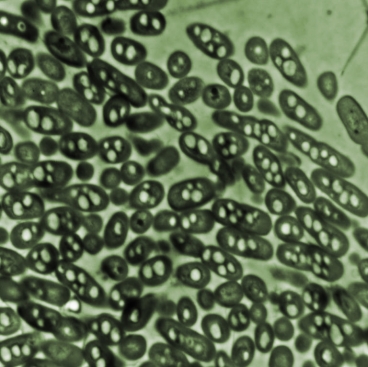
Ralstonia eutropha bacteria in culture
How’d they do that? It was a simple matter of microbial engineering. As detailed in MIT’s description:
… in the microbe’s natural state, when its source of essential nutrients such as nitrate or phosphate is restricted, “it will go into carbon-storage mode,” [Brigham says,] essentially storing away food for later use when it senses that resources are limited.
“What it does is take whatever carbon is available, and stores it in the form of a polymer, which is similar in its properties to a lot of petroleum-based plastics,” Brigham says. By knocking out a few genes, inserting a gene from another organism and tinkering with the expression of other genes, Brigham and his colleagues were able to redirect the microbe to make fuel instead of plastic.

That last sentence makes the process sound easier than it was. It took a full year of work to effect that transformation, Brigham tells me, and no wonder: Bacteria don’t normally make gasoline. But they do make amino acids, the protein building blocks that all living things need to survive. The team realized that Ralstonia bacteria create one particular group of amino acids (the so-called branched-chain amino acids) using chemical intermediates that they could coopt to turn sugar into fuel.


To realize that potential, Brigham and his colleagues first had to get Ralstonia to refocus its energies, literally. When stressed, the bacteria store carbon in a polymer-a chain of molecules-called PHB. The bacterium executes this particular biochemical program extremely effectively, cranking out enough polymer to account for more than 80% of the cell’s mass. Brigham and Lu had to redirect that enzymatic zeal towards gasoline instead. So, they knocked out the genes involved in building PHB.


Next, they added some missing chemical pieces. I said earlier that the branched-chain amino acid pathway includes an intermediate that could be used to make gasoline. To do that, the cells need a missing bit of hardware — specifically, an enzyme to convert that chemical intermediate into something the gasoline-making enzymes can use. That enzyme is called KIVD, and Ralstonia does not make it. But another bacterium, Lactococcus lactis, does make it. Brigham and Lu borrowed the related bit of genetic material from Lactococcus lactis, expressed it in Ralstonia, and –- not much happened.

As University of California, Berkeley, biochemical engineer Jay Keasling explained to me, the cell in such situations is literally a chemical factory. For the factory to run smoothly, all the factory workers –- the enzymes -– need to be fully engaged at the right time. That won’t happen if one enzyme is cranking out lots of its product but others are not. Intermediate products will start piling up, reducing efficiency and potentially poisoning the cell.


In this case, with KIVD, the cells had all the necessary pieces to make gasoline. But they weren’t producing them at the same levels. In other words, the factory had more workers at one part of the assembly line than at others. As a result, productivity was relatively low (about 10 mg isobutanol per liter of culture). To boost that output, the researchers dialed up expression levels of several proteins to get them all in sync. They also shut down a handful of other chemical assembly lines, too, “carbon sinks” that could siphon off intermediates.


When all was said and done, the cells could produce about 310 mg of gasoline per liter of culture. That gas conveniently drifts into the culture medium surrounding the cells, from which it is easily extracted. Now, says Brigham, the trick is optimizing the process.


In the meantime, others are working towards the same goal. Researchers have considerable experience getting bacteria and yeast to produce compounds they don’t normally make — the antimalarial drug artemisinin, for instance -– and microbial biofuel development is a research target at the Joint BioEnergy Institute (headed by Keasling), Synthetic Genomics, and LS9, among other places.


Often, those biofuel strategies rely on plants to produce their starting materials. And that’s the really cool part about Sinskey’s work: Ralstonia can eat almost anything, Brigham says, from carbon dioxide and organic acids to fatty acids and sugar. Brigham envisions coupling these organisms to waste streams, such that they can suck out the nutrients and turn them into fuel, no plants required.


Garbage in, fuel out: Now that’s a microbial trick I can get behind.


(If you’re interested, you can read Brigham and Lu’s work here.)


Image: Christopher Brigham / http://web.mit.edu/newsoffice/2012/genetically-modified-organism-can-turn-carbon-dioxide-into-fuel-0821.html

How important for children is imaginary play?

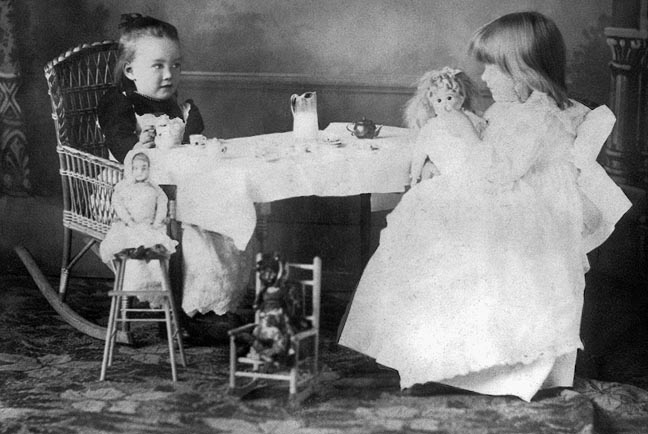
Olde tyme tea party. Girls engaging in pretend play, 19th c.
Photo via Wikimedia; public domain in US.
Did you engage in imaginary play as a child? A recent study-which like the organic foods study involved evaluation of existing reports in one big chunk-has led its authors to conclude that imaginary or pretend play doesn’t seem to boost intelligence, creativity, or the ability to tackle problems. The researchers did find that such play might be beneficial for language and social development, storytelling, and self-regulation. Their findings are set to appear in the Psychological Bulletin (abstract here).

According to the study authors, says Farris Samarri writing at the NESCA blog, previous studies suggesting links between pretend play and intelligence and other features might have had flaws in design and methods and been “overheated” in their conclusions. The article quotes study lead author Angeline Lillard, a professor at the University of Virginia, as saying:

When you look at the research that has been done to test that, it comes up really short… It may be that we’ve been testing the wrong things; and it may well be that when a future experiment is really well done we may find something that pretend play does for development, but at this point these claims are all overheated. This is our conclusion from having really carefully read the studies.

To me, this finding isn’t that surprising. Intelligence, creativity, and addressing problems can be the activities of a brain on its own, reinforced through solo pursuits within the real world like reading, self-directed learning or hands-on activities, or even watching certain television shows. But while children can, of course, engage in imaginary play on their own, “play” as we generally think of it tends to involve interaction and even practice with other people.

Play of any kind requires energy, and across the animal kingdom, energy is a precious commodity. That we and so many other species spend time in play suggests its importance. Of course, play comes in different flavors. Rolling around on the ground in a giant dogpile with your brothers might be more basic “lion cub” play than what we’d consider imaginary play or pretend play. From my adult perspective, very little imagination is involved in that sort of play; just a lot of noise and chaos, but they seem to like it. Pretend play, on the other hand, according to the NESCA piece, is

any play a child engages in, alone, with playmates, or with adults, that involves uses of the imagination to create a fantasy world or situation, such as making toy cars go “vrrooooom” or making dolls talk.

Whether we’re talking about lion cubs or children, about pretend play or just rolling around in a pile, these interactions guide a number of social behaviors, communication, and bonding and help young animals orient to the world around them (PBS video about play here). In addition to social interactions, storytelling is another feature that I can easily see would sharpen with imaginary play, particularly with an increasing understanding of what an audience is and how they respond. And even though the term might imply otherwise, self-regulation is something we generally don’t acquire by ourselves. We learn a lot about how to control what we present through feedback from others, including parents and peers. What’s unclear to me is what intrinsic factor pretend play might have that goes beyond non-pretend social interactions to reinforce self-regulation.

The NESCA post notes that an absence of pretend play is still a red flag for developmental conditions on the autism spectrum, particularly if noted between the ages of 18 months and 2 years. With an anecdatum alert, my oldest son is on the autism spectrum and engaged in pretend play. He just did it ways that in retrospect stand out as unusual for his age-and he still does. A lack of pretend play in a toddler is not pathognomonic-a definite indicator-of autism (nothing is), but if you have concerns about it, ask your pediatrician about an evaluation.

Do the findings of this large analysis surprise you? Had you thought that pretend play might boost creativity or intelligence or problem-solving skills? If you have a child, does she or he engage in pretend play?

Historical Chemists Part II

If you have been watching tweets from @DoubleXSci since early December, you’ll have noticed tweets about Notable Historical and Modern Women in Science. Nearly 100 women were presented over twitter. Those women will be presented in a series here on the blog with the original tweeted links and information as well as with some additional information not able to be presented in 140 characters. We hope you look up more on these women.


Leonora Neuffer Bilger was the 1953 Garvan Medal winner and a big influence at the University of Hawaii.
(1893-1975) Dr. Bilger received her PhD in chemistry from the University of Cinncinnati in 1916. She graduated and went straight into a position as head of the chemistry department at Sweet Briar College. A brief stint at the University of Cinncinnati gave her skills that she later used in her position as Chair of the Department of Chemistry at the University of Hawaii to design a new chemistry laboratory facility. Her post as University of Hawaii Department Head began in 1943 and lasted 11 years. Her research was on asymmetric nitrogen compounds, for which she won the Garvan Medal.

Nutritional Chemist Mary Letitia Caldwell was a role model and mentor over 6 decades.
(1890-1972) Born in Bogota, Columbia of missionaries, she arrived in the U.S. to attend high school. Dr. Caldwell was supported by her family in her pursuit of education and science. Due to gender restrictions, Caldwell attended a women’s college and stayed on there for teaching initially. This gave her the start on what she is known for: being a role model and mentor for other women for six decades. She received her A.B in 1913 from Western College for Women, her master’s degree in 1919 from Columbia, and her PhD in 1921 from Columbia, where she stayed on to teach. She entered the relatively new at the time field of nutritional chemistry, laying the groundwork for those after her. While Caldwell was well-known for the quality of research and diligence in her work, she also maintained a work-life balance, as an avid hiker, doting aunt, and gardener.

Emma Perry Carr
Photo from Wikimedia Commons

Emma Perry Carr was a pioneer in UV spectroscopy and a beloved teacher.

(1880-1972) Emma Perry Carr first attended Mr. Holyoke College then transferred to and received her B.S. from the University of Chicago in 1905. After a short duration as an instructor at Mt. Holyoke, Dr. Carr returned to the University of Chicago to receive her PhD in 1910. She returned to Mt. Holyoke to become a full professor and head of the department by the age of 33, a post she held for 33 years. Dr. Carr was also a devoted aunt,a fashionable dresser, and a talented storyteller. She had a relationship with Mary Sherrill, another professor at Mt. Holyoke, whom she shared a residence with for 26 years. Emma Perry Carr was the first recipient of the Garvan Medal.

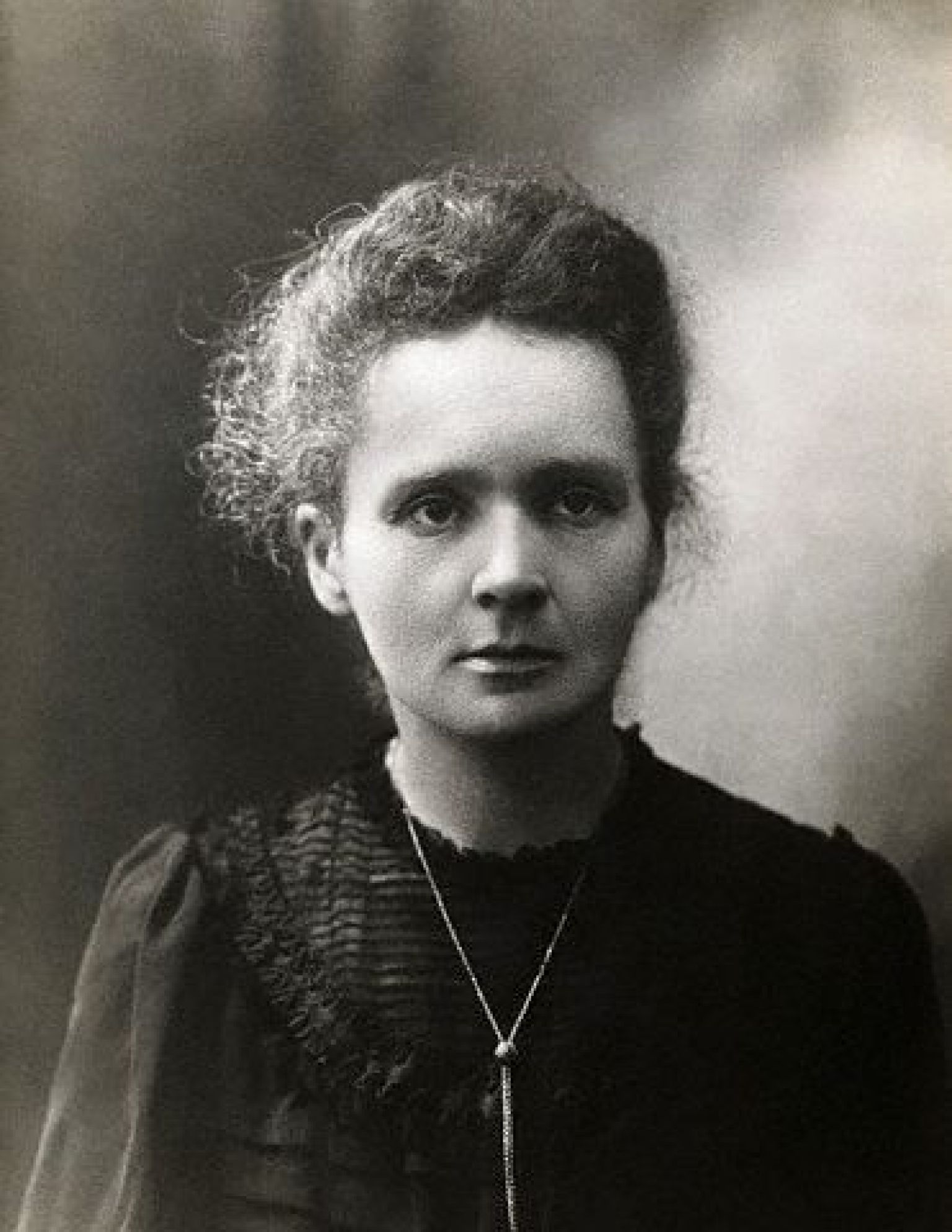
Marie Sklodowska Curie
Photo from Wikimedia Commons

Physicist & Chemist Marie Sklodowska Curie was the first twice Nobel Prize laureate.

(1867-1934) Much has been written about Marie Curie. She is, perhaps, the first historical figure to come to mind when a person says “Notable Woman in Science.” She is the first person to have been a twice Nobel Laureate. Marya Sklodowska was born in Poland, and lived through the loss of her eldest sister and mother by age 11. After graduating first her in class from high school, she attended a secret university because Polish universities could not admit women. She wished to go to Paris to study, so she worked and saved her money to do so. She was the first women to receive her Licence es Sciences Physiques from the Sorbonne in 1893, graduating first in her class again. She received her Licence es Sciences Mathematiques in 1894 from the same institution. In 1903, she attained her PhD from the University of Parish, the same year she was awarded the Nobel Prize in Physics. Difficulties continued in her personal life, such as the death of her husband in 1906, her own ill health due to radiation poisoning, and her constant fight for her place in her work. She broke so many barriers, being the first woman in so many circumstances.

Mary Fieser was well-known for her contributions to organic chemistry.
(1909-1997) Mary Feiser was encouraged by her parents to excel academically. She attended Bryn Mawr and received her B.S. in chemistry in 1930. She then attended Radcliffe college and worked on her master’s thesis in the lab of Louis F. Feiser at Harvard. She received her A.M. in 1931 and married in 1932. She opted to continue to work in her husband’s lab instead of pursue a PhD because of the funding and Harvard facilities. With her help, 15 papers and 17 books were published by Feiser. However, Harvard never granted her a salary nor official title for 29 years. Even at 85 years of age, Mary Feiser continued to write and publish organic chemistry books, which were well received.

Dorothy Anna Hahn was a researcher, professor, and mentor for women in chemistry.
(1876-1950) Dorothy Hahn received her B.A. in chemistry from Bryn Mawr and went to work at Mt. Holyoke College under the auspices of Emma Perry Carr. Together, the two women were a force producing many women chemists. While Dr. Carr ran the chemistry department, it is said Dr. Hahn ran the organic chemistry department. Dr. Hahn pursued and recieved her Ph.D. from Yale University in 1916 due to a fellowship from the AAUW (American Association of University Women). Hahn also preceeded well-known scientists Gilbert Lewis and Irving Langmuir on a theory of valence electrons. Professor Hahn was a huge influence on organic chemistry, teaching, and women in chemistry.

Allene Rosalind Jeanes was a pioneering researcher with several patents.
(1906-1995) Allene Rosaland Jeanes was born and raised in Texas. She received her A.B with highest honors from Baylor University in 1928. She graduated with her M.A. from the University of California – Berkeley in 1929. She taught for awhile in a few different colleges, then decided to return to graduate school. She attained her PhD from the University of Illinois in 1938. While she wanted to go into pharmaceutical research, opportunities were limited. She took a position at the National Institute of Health. Her research took her through several government positions and had applications in the food industry. She was honored with many awards, including the Garvan Medal and Federal Women’s Award from the U.S. Civil Service Commission.

Nuclear Chemist Ellen Gleditsch was virtually unknown despite her accomplishments.
(1879-1968) The story of Ellen Gleditsch is not well known in her native Norway nor abroad, and signifies how difficult it was for women to be recognized for their work. She received her degree in pharmacology in 1902. She worked with Marie Curie for 5 years, and received her Licencee es Sciences from the Sorbonne in 1912. She went to work at Yale University despite the animosity toward her from the men at the U.S. institutions of Yale and Harvard and received her D.Sc. form Smith College in 1914. In 1929, Oslo University became embroiled in controversy over the decision to advance Ellen Gleditsch to the position of professional chair, and it took a letter from Marie Curie to help quell the public outrage. During her time in Oslo, she also provided a home for scientists fleeing Nazi Germany. She continued to be an advocate and mentor for women in the sciences until her death at age 88.

Anna Jane Harrison was the first woman president American Chemical Society.
(1912-1998) Born in Missouri, Anna Jane Harrison was raised on a farm and her childhood science education tended to be “go out and find caterpillars.” She learned about Caterpillar tractors from her father for that assignment. Her high school science teachers inspired her interest in science, so she went to the University of Missouri to earn a B.A. in chemistry in 1933, a B.S. in education in 1935, a M.A. in chemistry in 1937, and a Ph.D. in physical chemistry in 1940. She was the first woman to earn a PhD at the institution. After meeting Lucy Picket and Emma Carr at a meeting of the American Chemical Society (ACS), she went on to work at Mt. Holyoke College, carrying on the traditions established there by Emma Carr and Dorothy Hahn. She also has several more “firsts” including being the first woman to chair the Division of Chemical Education of the ACS and the first woman elected president of the ACS in the 102 year history of the organization up to then. She was honored with the honorary degree of D.Sc. from ten instutitions. She enjoyed traveling and once stated, “What I really like is to go places one isn’t supposed to go.”

Mentioned Awards
The Garvan Medal is an award from the American Chemical Society to recognize distinguished service to chemistry by women chemists.
Nobel Prize: From the site:
Every year since 1901 the Nobel Prize has been awarded for achievements in physics, chemistry, physiology or medicine, literature and for peace. The Nobel Prize is an international award administered by the Nobel Foundation in Stockholm, Sweden. In 1968, Sveriges Riksbank established The Sveriges Riksbank Prize in Economic Sciences in Memory of Alfred Nobel, founder of the Nobel Prize. Each prize consists of a medal, personal diploma, and a cash award.

Federal Women’s Award from the U.S. Civil Service Commission was awarded to a woman for a high level of scientific achievement.

Why blueberries won’t turn you blue and other blueberry facts

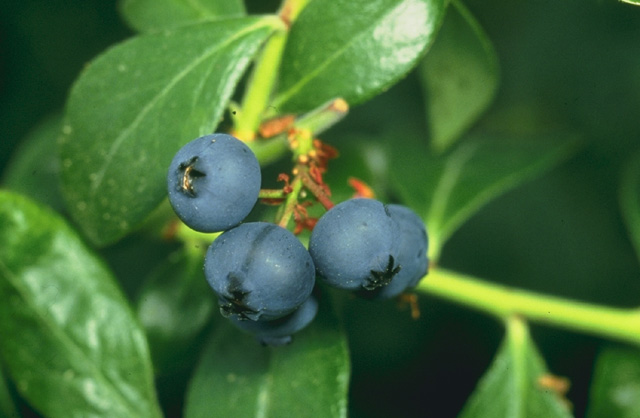
Blueberries. Credit.


by Adrienne Roehrich, Chemistry Editor

Blueberries in the Northwestern semisphere are the fruit of several shrubs in the genus Vaccinium L. They grow in all provinces in Canada and all but two of the United States (Nebraska and North Dakota). In the Northwestern semisphere, one can find 43 species of blueberries, depending on the region. Blueberries are found and produced in all hemispheres of the world. However, the species can vary by region.

Taxonomy:
Kingdom: Plantae (Plants)
Subkingdom: Tracheobionta (Vascular plants)
Subdivision: Spermatophyta (Seed plants)
Division: Magnoliophyta (Flowering plants)
Class: Magnoliopsida (Dictyledons)
Subclass: Dilleniidae
Order: Ericales
Family: Ericaceae
Genus: Vaccinium

There are 43 species and 46 accepted taxa overall. Some of the species include fruits we do not necessarily recognize as blueberry, including farkleberry, bilberry, ohelo, cranberry, huckleberry, whortleberry, deer berry, and lingonberry. (Source)

Blueberries are a very popular fruit in the U.S., and is consumed in fresh, frozen, and canned forms. While blueberries are a great fruit to eat to meet your suggested fruit intake, it also is one of the foods that are purported to have properties that it just does not have. This undeserved reputation results from the high levels of anti-oxidants, leading those predisposed to looking for “super foods” to classify blueberries into the anti-oxidant super food category. While eating more healthy foods is always a good idea, no food has curative effects all on its own.

Other aspects of blueberry nutrition includes it as a source of sugar. One cup (148 g) of blueberries contains about 15 g of sugar and 4 g of fiber, a single gram of protein, and half a gram of fat. If you are counting carbs, this cup has 21 g of them. That one cup of blueberries averages about 85 calories, which is approximately the same as a medium apple or orange. While almost all the vitamins and minerals nutrition gurus like to report on are present to some amount, for the 2000-calorie diet, that one cup of blueberries will provide the recommended daily value of 24% of Vitamin C, 36% of Vitamin K, and 25% of manganese. The remaining values range from 0-4%. (Values obtained from Nutrition.com and verified through multiple sources.)

The Wikipedia entry is quite good and well researched (as of August 18, 2012).

The photo above shows all of the life stages of a blueberry. Berries go from the little red nub at the end of the branch to round and juicy blueberries through fertilization of the ovary, which swells rapidly for about a month, then its growth ceases. The green berry develops with no change in size. The chemicals responsible for the blue color, anthocyanins, begin to turn the berry from green to blue as it develops over about 6 days. The volume of the berry increases during the change in color phase.

Will blueberries turn you blue? In short, no. You can achieve blue skin through the ill-advised practice of drinking silver or you can achieve orangish-yellow skin by eating a large number of carrots. This is because the chemicals causing the skin color are fat soluble and are present in a large quantity in the fat just under the skin, giving the skin those colors. Anthocyanin, the primary chemical causing the blue color in blueberries, is not fat soluble and will not reside in the fat under your skin.

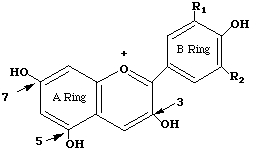
Anthocyanins is a class of over 30 compounds. The chemical structure is generally as shown below. They are polyphenolic, which indicates the 3 ring structures. The “R” indicates different functional groups that change depending on which anthocyanin the structure represents.


Interestingly, anthocyanins are also pH indicators because their color ranges from yellow to red to blue depending on the local pH. The blue color indicates a neutral pH. The wikipedia page on anthocyanins is also informative (as of August 18, 2012).

As mentioned before, blueberries are a popular fruit. Recipes abound, but here is one from my own Recipe Codex for Surprise Muffins with blueberries:

Ingredients
  • 6 Tbsp. butter
  • 3/4 cup sugar
  • 2 eggs
  • 1/2 cup milk
  • 1/2 – 1 pint blueberries, fresh or frozen (defrosted)
  • Food coloring, optional
  • 2 cups all-purpose flour
  • 1/4 tsp. salt
  • 1 Tbsp. baking powder
  • Your favorite mini-treat (Hershey’s Kisses, Hugs, Reese’s Mini Cups, strawberry jam, etc.)
Directions
  1. Preheat the oven to 350º. In a large bowl, cream the butter and sugar. You can use a wooden spoon, a potato masher or handheld electric mixer. Mix in the eggs, one at a time, and add the milk.
  2. Rinse the strawberries and cut off the green stem. Mash the berries with a potato masher or puree in a blender. Then stir the berries into the butter and milk mixture. TIP: For muffins with a more blue color, add a few drops of blue food coloring.
  3. In a separate bowl, sift the flour, salt and baking powder. Stir well. Add the flour mixture to the berry mixture. Use a wooden spoon to stir until all the white disappears.
  4. Line the muffin tin with paper liners. Drop the batter from a tablespoon to fill the cups halfway.
  5. Add a surprise: an unwrapped mini treat or 1/2 teaspoon of jam. Then spoon more batter to fill almost to the top.
  6. Bake until the muffins begin to brown and a toothpick inserted near the center (but not in the mini-treat) comes out clean, about 20-25 minutes.
  7. Remove the muffins from the tin and cool.
Or perhaps you are in less of a cooking scientist mood and more in a home lab mood. Try this at-home lab with blueberries about dyes. Adapted from the Journal of Chemical Education.

Items You Need
  • 4 microwavable/stove top staff glasses, pots, or containers at least 1/2 cup in volume
  • tablespoons or 1/4 cup measuring cup
  • water
  • spatula
  • alum (available in the grocery store spice aisle)
  • cream of tartar (available in the grocery store spice aisle)
  • hot pads and tongs
  • at least four small (1-2 in.) squares of white cotton cloth
  • yellow onion skins
  • blueberries
  • spoon
  • paper towels
  • vinegar
  • baking soda
  • a dropper
  • notebook for experimental observations
Procedure
In each step, you will want to record your observations, paying special attention to colors.
  1. Pour 4 tablespoons (1/4 cup) into container 1. Add a pea-sized scoop of alum and about half that amount of cream of tartar and stir. Bring the solution to a boil on the stove top or by microwaving for about 60 seconds. (Your microwave may vary.) Add two small squares of white cotton cloth and boil for two minutes. Set the container aside. The squares will be used in steps 4 and 6.
  2. Tear the outer, papery skin from a yellow onion into pieces no more than 1 inch square. Place enough pieces in a second container to cover its bottom with 2 or 3 layers of onion skin. Add about 4 tablespoons of water to the container. Bring the solution to a boil on the stove top, continuing to boil for 5 minutes.
  3. Wet a new square of cloth with water. Place it in container 2 so it is completely submerged and boil for 1 minute. Using tongs, remove the cloth and rinse it with water. Place the cloth square in the appropriate area on a labeled paper towel.
  4. Use tongs to remove one of the cloth squares from beaker 1. Repeat step 3 using this square. Compare to the dyed cloth square from step 3.
  5. Pour 4 tablespoons of water in a third container. Add 4-5 blueberries to the container and mash them with a spoon. Bring the solution to a boil on the stove, and continue to boil for 5 minutes.
  6. Repeat steps 3 and 4 substituting the blueberry mixture in container 3 for the onion skin mixture in container 2.
  7. Mix a small scoop of baking soda with a tsp of water in a clean container. With a dropper, place 1-2 drops of the baking soda solution in one corner of each cloth square. What happens? Rinse the dropper thoroughly, then place 1-2 drops of vinegar on the opposite corner of each square. What happens? Rinse the fabric squares under cool running water. Is there a change? Allow the squares to dry overnight. Is there any change of the cloth dries?
Optional: Try variations in the procedure such as changing the amount of dye source, the length of time the cloth spends in the dye solution, and the temperature of the dye solution.

Questions to consider
The solution in step 1 is called a mordant. Based on your observations, what is the purpose of a mordant?
Is the dye produced by blueberries really blue? Why might some people not want to wear clothes dyed with blueberries?

———————-
All in all, enjoy your blueberries. As a shrub, it is quite pretty. As a fruit, it is quite yummy. And as the tool in an experiment, it is quite fun.

These views are the opinion of the author and do not necessarily reflect or disagree with those of the DXS editorial team.